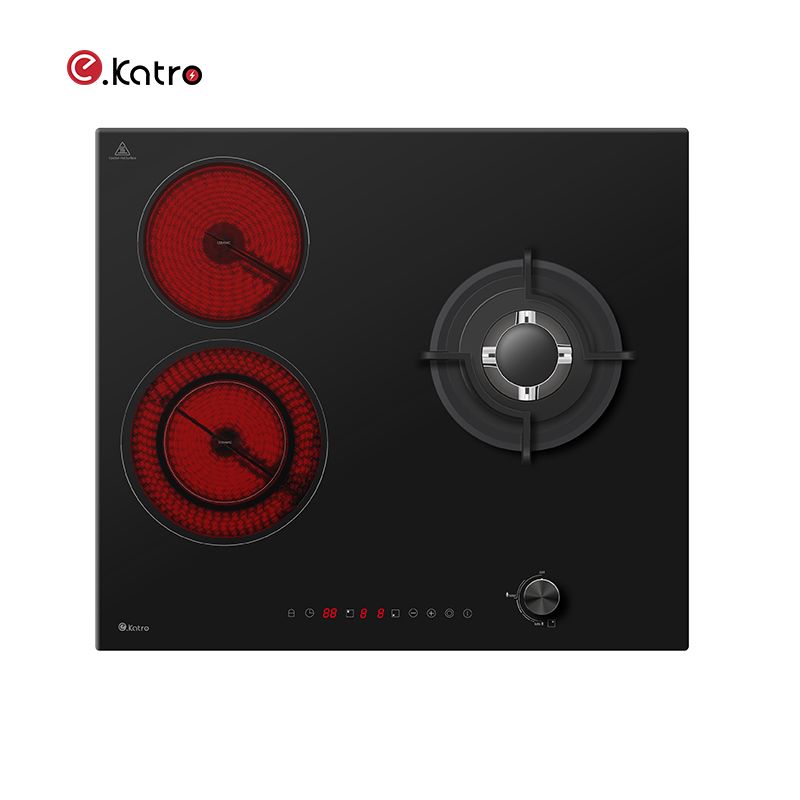
Understanding Built-in Gas & Ceramic Cooker Certifications for Export Markets
When it comes to exporting appliances, manufacturers consistently face challenges in ensuring their Built-in Gas & Ceramic Cookers meet international standards. Understanding certifications such as CE, CSA, and UL not only guarantees product safety and efficiency but also significantly influences consumer choice. For instance, a reported 65% of consumers prioritize certification credentials when purchasing kitchen appliances. This article delves into common issues faced by manufacturers, offers detailed solutions, and outlines the steps necessary for navigating the certification landscape effectively.
Common Challenges in Cooker Certifications
Manufacturers often encounter roadblocks during the certification of Built-in Gas & Ceramic Cookers for international markets. Here are a few of the most commonly reported issues:
- Regulatory Differences: Various countries have distinct requirements for gas and ceramic cookers, which can be confusing and time-consuming to navigate.
- Certification Costs: The expenses associated with testing and certification can deter smaller manufacturers from pursuing necessary approvals.
- Product Modifications: Adjusting existing designs for compliance with new regulations may affect product integrity and performance.
Required Preparations for Certification
Before diving into the certification process, manufacturers should prepare adequately. Here are the essential steps to take:
- Research applicable regulations: Identify the specific certifications needed for your target export markets, such as CE for Europe or CSA for Canada.
- Gather documentation: Compile technical documents, including product specifications, material data safety sheets, and performance tests.
- Identify testing laboratories: Select accredited laboratories with experience in cooker testing and certification in your target regions.
Step-by-Step Guide to Navigating Certification
Follow these clear steps to ensure your Built-in Gas & Ceramic Cooker meets certification requirements:
- Step 1: Preliminary Assessment – Evaluate your product design against international standards. Utilize checklists from relevant certification bodies as a guide.
- Step 2: Conduct Internal Testing – Perform in-house tests to ascertain that your products meet safety and efficiency criteria.
- Step 3: Engage a Third-Party Testing Lab – Submit your product to an accredited lab for official testing. Ensure to provide all necessary documentation to avoid delays.
- Step 4: Analyze the Test Report – Review results carefully. If any standards are not met, collaborate with your engineers to address these issues promptly.
- Step 5: Submit for Certification – Once satisfied with the testing outcomes, submit your application for certification to the relevant authorities.
- Step 6: Monitor Compliance – After receiving certification, maintain regular compliance checks to ensure ongoing adherence to regulations and standards.
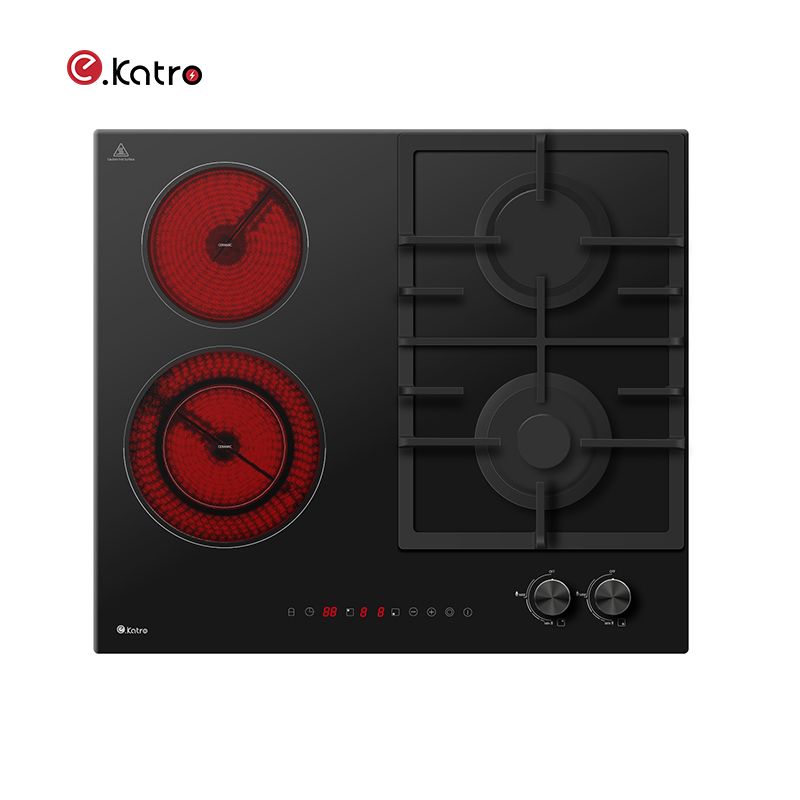
Common Errors and Solutions During Certification
Many manufacturers encounter pitfalls during the certification process. Here are some common errors and their solutions:
- Misinterpretation of Standards: Manufacturers sometimes misinterpret compliance guidelines. Solution: Consult with an expert in international appliance certifications.
- Incomplete Documentation: Submissions lacking crucial documents can cause delays. Solution: Create a documentation checklist early in the process and verify compliance before submission.
- Overlooking Local Variations: Assumptions that standards are universally applicable can be misleading. Solution: Research local regulations for every market individually.
Summary and Suggestions
Successfully navigating the certification process for Built-in Gas & Ceramic Cookers entails a thorough understanding of regulations, meticulous preparation, and a strategic approach to testing. By following methodical steps and seeking expert guidance, manufacturers can significantly enhance their chances of successful market entry. Katro's commitment to quality can assist in aligning products with stringent standards, helping users ensure compliance effortlessly.
Frequently Asked Questions (FAQ)
What certifications are needed for exporting Built-in Gas & Ceramic Cookers?
Common certifications include CE (Europe), UL (USA), and CSA (Canada). Requirements may vary based on destination and intended use.
How long does the certification process usually take?
The timeframe for certification can range from a few weeks to several months, depending on the product complexity and lab backlog.
Are certification costs a significant barrier for manufacturers?
While certification expenses can be high, the long-term benefits of compliance and consumer trust often outweigh these costs.