In today's fast-paced kitchen environment, the Built-in Gas & Ceramic Cooker is revolutionizing how we prepare meals. Merging the efficiency of gas with the sleek design of ceramic surfaces, these cookers provide not only enhanced cooking capabilities but also cater to the modern aesthetic. Unfortunately, there are still concerns regarding their lifespan, durability, and maintenance. This article will explore the expected lifespan of built-in gas and ceramic cookers, the application scenarios, and what buyers should consider before making a purchase.
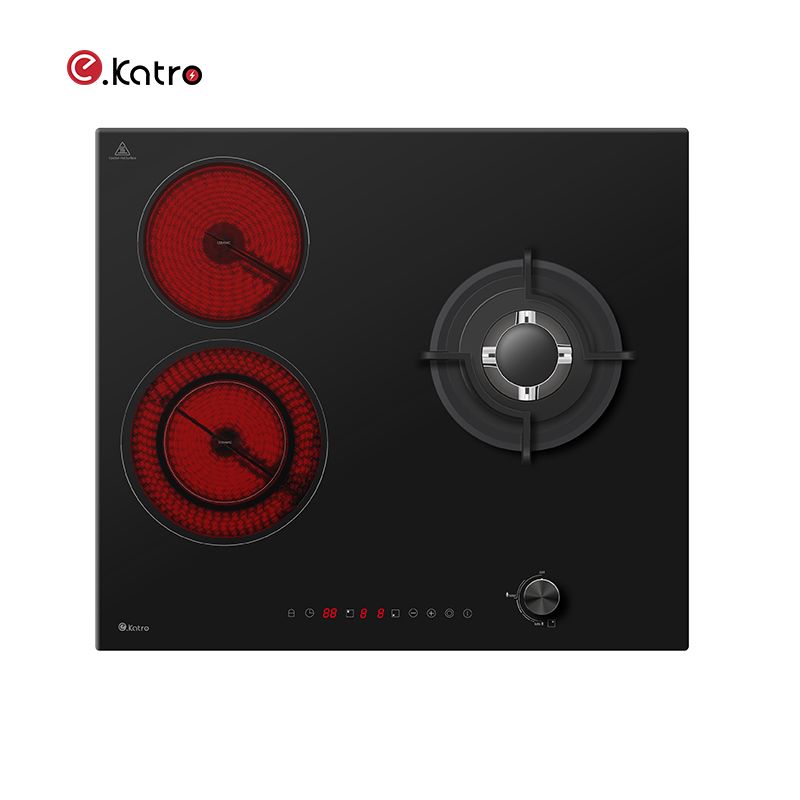
A Built-in Gas & Ceramic Cooker uniquely combines two cooking technologies. Gas cookers provide instant heat control and efficiency, while ceramic surfaces offer easy cleaning and maintain aesthetic appeal. Industry terms related to built-in cookers include “thermal efficiency,” which measures how well utensils transfer heat for cooking, and “surface durability,” which addresses the resilience of ceramic coatings against scratches and impacts.
Built-in gas and ceramic cookers are commonly found in both residential kitchens and commercial spaces. In home kitchens, they are ideal for families looking to prepare meals efficiently without compromising on style. In the commercial sector, restaurants and catering services value their versatility and durability. They can also be installed in outdoor kitchens or food trucks, where space is limited, yet the cooking demands remain high.
One significant advantage of the Built-in Gas & Ceramic Cooker is its efficiency. A recent study from the Department of Energy indicates that cooking with gas appliances can reduce energy consumption by up to 30% compared to electric cookers. Furthermore, ceramic surfaces are known for their heat retention and even cooking capabilities. Users can expect the lifespan of these cookers to be around 15 to 20 years with proper maintenance, as opposed to only 10 years for traditional electric cookers. This longevity, along with their sleek design, makes them a wise investment for modern kitchens.
To ensure you select the best Built-in Gas & Ceramic Cooker for your kitchen, it is critical to read the user guide provided by the manufacturer. This will help you understand the specific needs for maintenance, installation instructions, and safety protocols. Brands like Katro offer various options with advanced features that enhance both cooking performance and design.
1. How long does a Built-in Gas & Ceramic Cooker last?
With proper care, these cookers can last between 15 to 20 years.
2. What maintenance is needed for these cookers?
Regular cleaning of the ceramic surface and ensuring gas connections are secure will prolong the lifespan of your cooker.
3. Are there any specific brands to consider?
Yes, brands like Katro are renowned for their quality and innovative designs in the built-in cooker market.
For a deeper understanding of Built-in Gas & Ceramic Cookers, consider reaching out to manufacturers for trials or demonstrations. Brands like Katro often have showroom models available, showcasing the advanced technology and design of their cookers.


