As the world shifts toward sustainable living, the demand for energy-efficient kitchen appliances is rising. Kitchen hob suppliers are increasingly focusing on electromagnetic induction technology, which offers significant environmental benefits. By reducing energy consumption, these innovative solutions help households and businesses lower their carbon footprints.
One standout player in this field is Katro Appliances, a leading built-in induction cooker manufacturer known for its cutting-edge designs. Induction hobs are up to 50% more efficient than traditional gas or electric stoves, minimizing wasted heat. This efficiency not only saves energy but also reduces utility costs, making them a smart choice for eco-conscious consumers.
For commercial kitchens and large-scale buyers, half-bridge induction hob suppliers provide robust, high-performance solutions. These hobs use electromagnetic fields to heat cookware directly, ensuring faster cooking with less energy loss. Businesses looking for customized solutions can also explore hybrid cooking system OEM options, which combine induction with other technologies for versatile, sustainable cooking.
The shift to induction cooking aligns with global efforts to combat climate change. As a trusted built-in induction cooker manufacturer, Katro Appliances continues to innovate, offering reliable and eco-friendly products. Partnering with a reputable kitchen hob supplier ensures access to the latest advancements in green kitchen technology.
For wholesalers and brand owners, investing in induction hobs means supporting a cleaner future while meeting consumer demand for sustainable appliances. Whether sourcing from a half-bridge induction hob supplier or exploring hybrid cooking system OEM collaborations, the opportunities in eco-friendly kitchen solutions are vast. The time to embrace electromagnetic cooking is now—for both profit and the planet.
With governments and consumers worldwide pushing for greener lifestyles, the kitchen appliance industry is undergoing a transformation. Energy-efficient solutions are no longer optional—they are a necessity. Kitchen hob suppliers who embrace electromagnetic induction technology are positioning themselves as leaders in the sustainable living movement. This shift is particularly relevant in urban centers where electricity is more accessible than gas, making induction the appliance of choice.
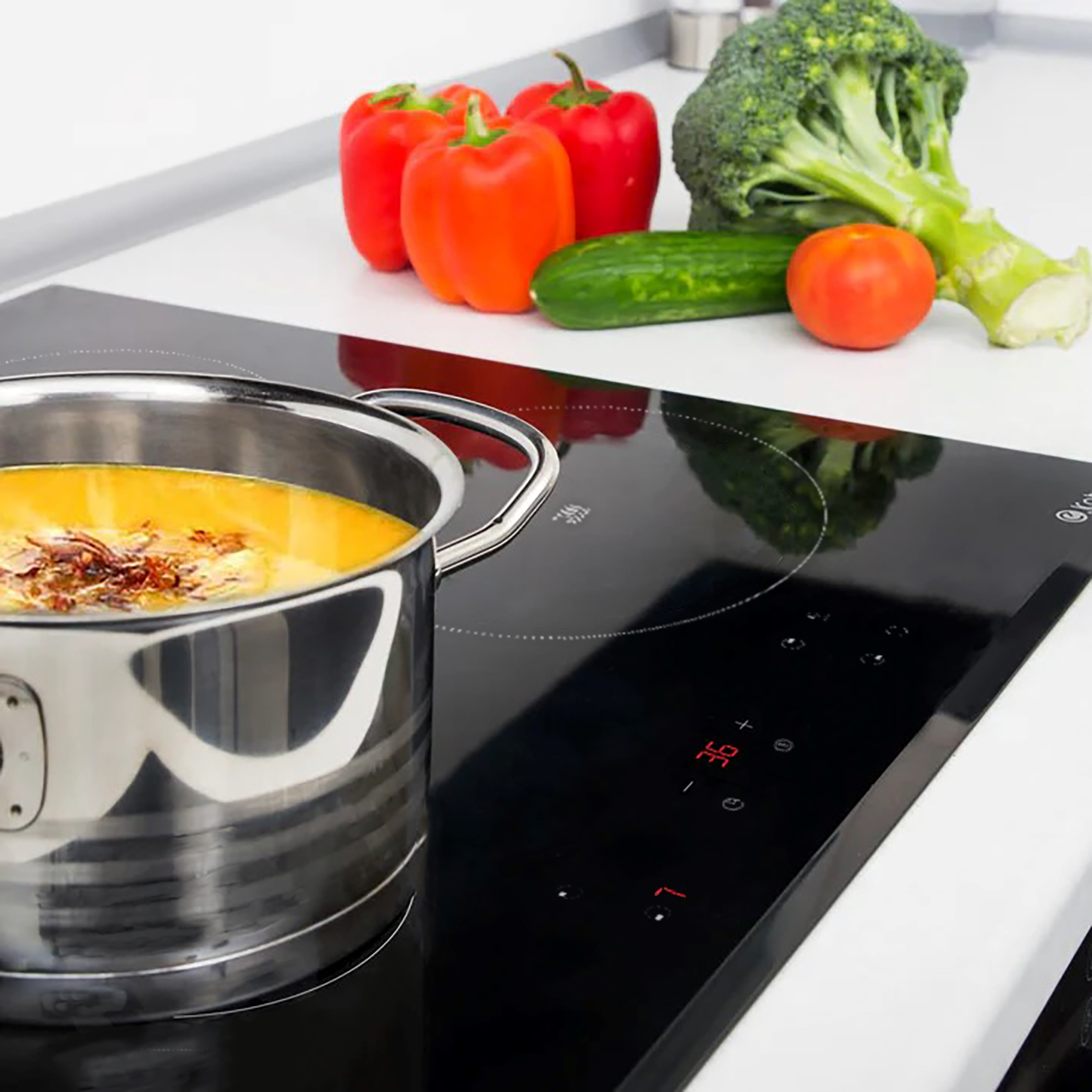
Unlike conventional gas or electric cooktops, induction hobs work by generating electromagnetic fields that directly heat the cookware. This direct transfer of energy means less wasted heat, shorter cooking times, and lower energy bills. According to industry data, induction hobs can achieve efficiency levels of 85–90%, compared to just 40–55% for gas stoves. For eco-conscious households, this translates to reduced carbon emissions and long-term cost savings.
As a forward-thinking built-in induction cooker manufacturer, Katro Appliances has invested heavily in R&D to deliver both performance and sustainability. Their hobs are designed with advanced thermal management, ensuring consistent cooking while minimizing energy waste. Features such as intelligent heat sensors, automatic shutoff, and child-lock systems enhance safety and efficiency, making them ideal for both residential and commercial use.
Restaurants, hotels, and institutional kitchens face high energy consumption daily. Half-bridge induction hob suppliers provide durable and high-performance solutions capable of handling continuous operation. With faster heating, precise temperature control, and lower ventilation requirements, induction systems reduce overall kitchen operating costs. For large-scale buyers, the savings in electricity and air-conditioning expenses make induction a smart long-term investment.
Not all kitchens rely solely on induction. Some require hybrid solutions that combine induction with ceramic or gas cooking. This is where hybrid cooking system OEM providers come in. By offering customizable platforms, they allow brands to tailor appliances to specific market needs—whether it’s a compact hybrid hob for small apartments or industrial-grade multi-fuel systems for international food chains. This flexibility expands the range of eco-friendly choices available to consumers.
The eco-friendly advantage of induction cooking goes beyond just lower power bills. By reducing kitchen heat emissions, induction hobs improve indoor air quality and working conditions. Unlike gas stoves, they eliminate harmful combustion byproducts such as carbon monoxide and nitrogen dioxide, contributing to healthier living spaces. For businesses, this means a safer environment for staff and compliance with stricter environmental regulations.
The global induction hob market is projected to grow steadily as more households and businesses adopt sustainable cooking solutions. For wholesalers and private-label brands, sourcing from a reliable built-in induction cooker manufacturer or half-bridge induction hob supplier ensures access to advanced designs that meet international safety and energy standards. Partnering with hybrid cooking system OEM providers further strengthens market competitiveness by offering diverse product portfolios.
Looking ahead, induction technology is evolving alongside smart home trends. Future hobs will integrate IoT features, app-based control, and AI-driven cooking assistance to optimize energy use even further. Manufacturers like Katro Appliances are already exploring ways to merge sustainability with digital convenience, ensuring their products remain ahead of consumer expectations.


