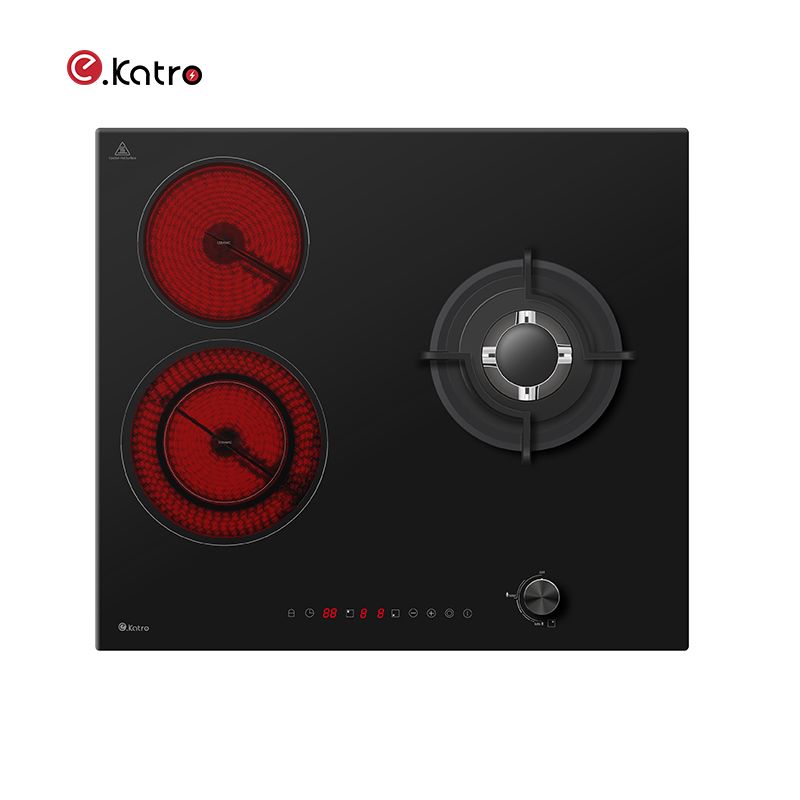
Knowing the differences between induction and gas cookers is essential for proper maintenance. Induction cookers use electromagnetic fields, while gas cookers use flames, affecting how you clean and maintain them.
Before starting, gather the following tools for effective cleaning:
Ensure your cooker is turned off and completely cool before cleaning to avoid burns or damage.
Use a soft cloth or dry sponge to wipe away any food particles or loose debris from the surface of the cooker.
For induction cookers, apply a few drops of cooktop cleaner and use a non-abrasive sponge to scrub gently. For gas cookers, prepare a mixture of dish soap and warm water, and use a sponge to clean the surface, focusing on grease spots.
If there are tough stains, sprinkle baking soda on them, spray with vinegar, and let sit for 15 minutes. Scrub gently with a sponge and wipe clean.
For gas cookers, remove the grates and burners. Soak them in warm, soapy water, scrub with a sponge, and rinse thoroughly. Allow them to dry completely before reassembling.
Establish a routine cleaning schedule, ideally after every use for gas cookers and weekly for induction cookers, to prevent buildup.
Avoid abrasive cleaners and scrubbers that can damage the cooking surface.
Do not let spills sit too long; clean them promptly to avoid hard-to-remove stains.
Ensure that your cooker is well-ventilated while cooking to prevent grease buildup on the surface.
With regular maintenance and cleaning, your Built-in Induction & Gas Cooker can remain in excellent condition. Following these detailed steps will help prolong the lifespan of your kitchen appliance. At Katro, we prioritize your cooking experience and the longevity of your appliances.
 Katro Cooker Maintenance" />