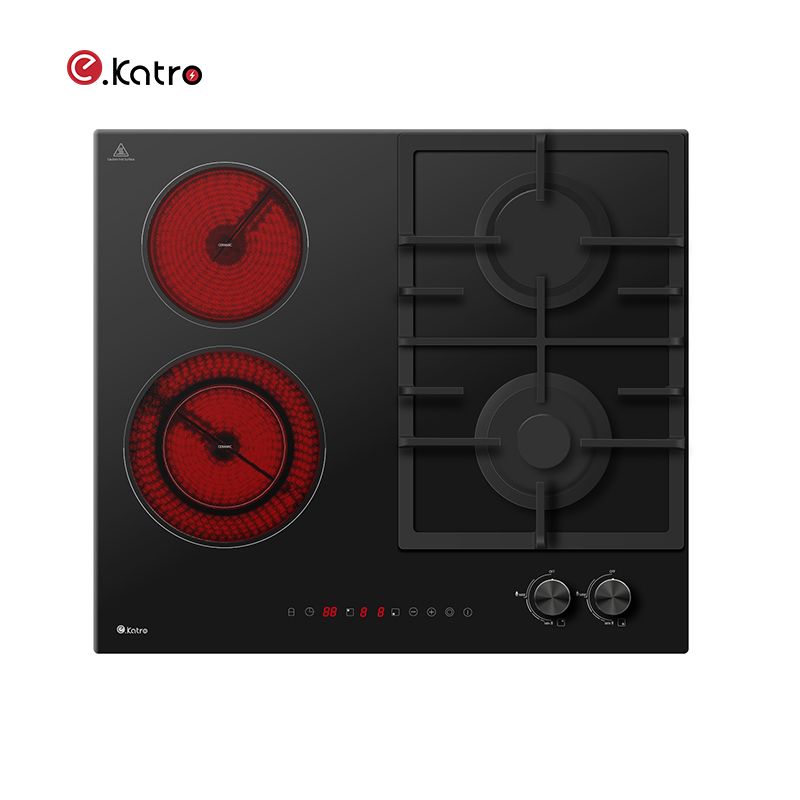
In recent years, the kitchen appliance industry has seen a surge in the popularity of Built-in Induction & Gas Cookers. These innovative appliances combine the efficiency of induction cooking with the traditional appeal of gas cooking, making meal preparation faster and more interactive. The emergence of these cookers solves common cooking pain points: energy consumption, heat variability, and safety. Performance metrics reveal that Built-in Induction & Gas Cookers can reduce cooking time by up to 50% compared to conventional electric cooktops, providing a more efficient cooking experience for home chefs. This article will delve into the significance of these cookers, their lifespan, and how they fit into modern kitchens.

Built-in Induction & Gas Cookers combine two cooking methods into one appliance: induction and gas. Induction cooking uses magnetic fields to directly heat cookware, which can improve energy efficiency and reduce cooking times. In contrast, gas cooking employs an open flame for immediate heat adjustment. Industry experts define these hybrid cookers as appliances that offer versatility, enabling users to switch between gas and induction as needed. Reports from reputable sources like Consumer Reports indicate that these cookers not only provide quicker cooking times but also balance heat distribution, which is critical for properly cooking various dishes.
Built-in Induction & Gas Cookers are applicable in various settings, including:
The versatility of Built-in Induction & Gas Cookers makes them well-suited for any cooking environment, addressing multiple cooking styles and preferences.
The advantages of Built-in Induction & Gas Cookers extend beyond their cooking efficiency. Here’s why they are important:
These features contribute to optimal cooking experiences and minimize common kitchen frustrations, making Built-in Induction & Gas Cookers a worthwhile investment for any home.
To maximize the benefits of your Built-in Induction & Gas Cooker, familiarize yourself with the user guide provided by the manufacturer. This guide offers crucial details on the appliance's operation, maintenance tips, and safety protocols. If you're interested in exploring top brands in the market, consider Katro, known for their reliability and advanced technology in kitchen appliances.
1. How long do Built-in Induction & Gas Cookers last? Built-in Induction & Gas Cookers generally last between 15-20 years, depending on usage and maintenance practices.
2. Are they energy-efficient? Yes, induction cooking is up to 90% energy-efficient, while gas cooking typically operates at around 40% efficiency.
3. What safety features can I expect? Most models include safety locks, automatic shut-off, and child-proof features aimed at reducing kitchen accidents.
4. Can I use any type of cookware? Induction cooking requires cookware made from magnetic materials such as cast iron or stainless steel, while gas cooking is compatible with various cookware types.
For a thorough understanding of Built-in Induction & Gas Cookers and to explore excellent options from brands like Katro, don't hesitate to venture further into this rapidly evolving market. Your next culinary experience awaits!