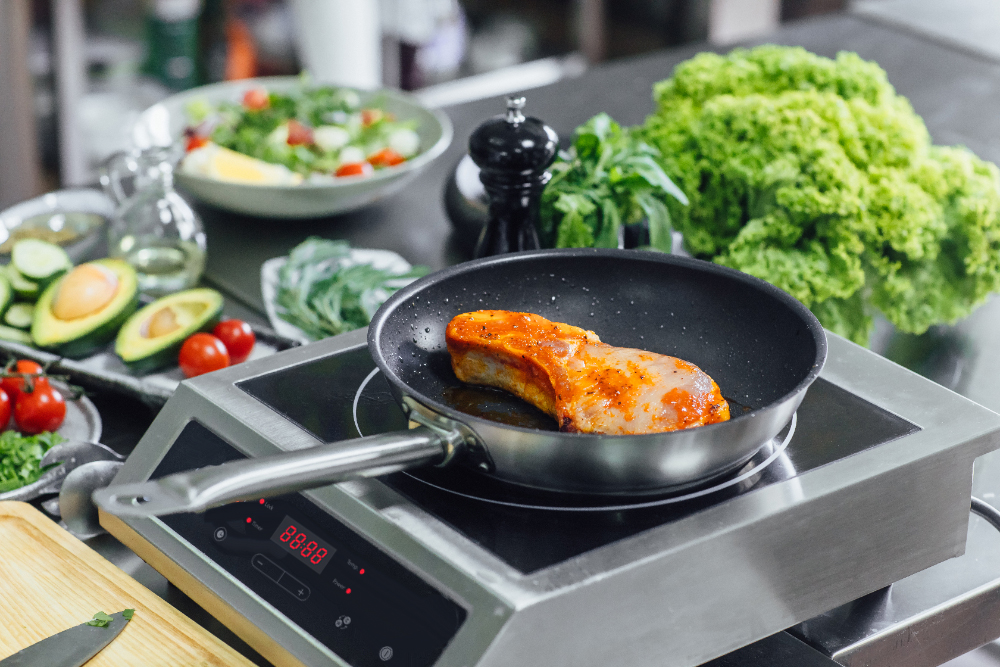
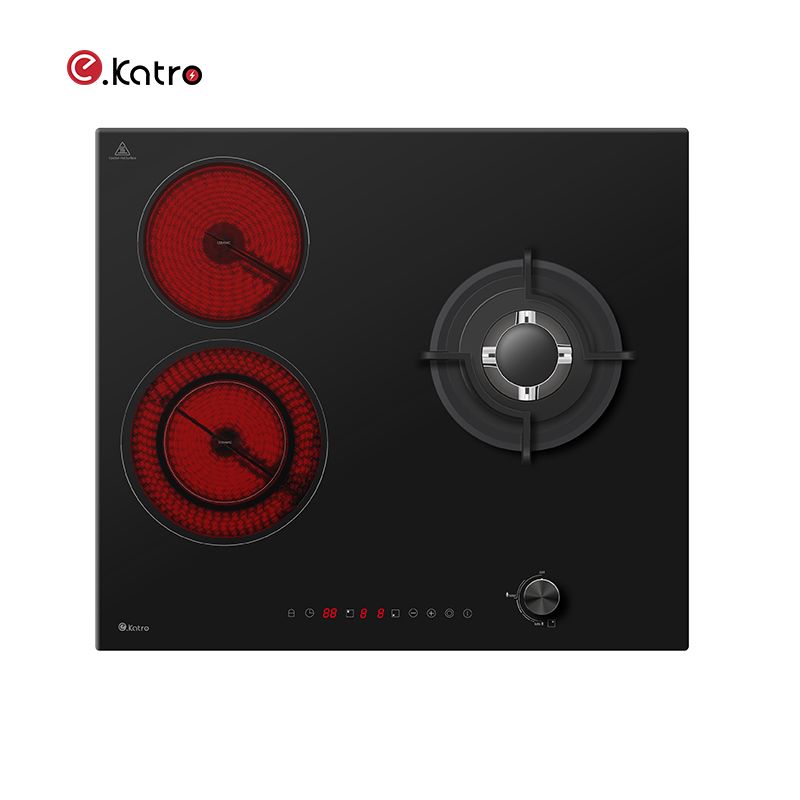
Introduction: The Fast-Paced Kitchen Dilemma
In today’s fast-paced world, cooking needs to be efficient and quick, yet tasty and healthy. Users often struggle with long cooking times and uneven heat distribution while using traditional cooking methods. The introduction of Built-in Induction & Gas Cookers, such as the innovative options from Katro, offers solutions that enhance cooking speed and efficiency. With induction cooking being 70% faster than traditional gas cooking and gas cookers providing instant heat, users can achieve their culinary goals without stress. This article delves into actual user experiences and professional insights on how these cookers transform their kitchen habits.
Understanding the User Needs: Pain Points and Solutions
Many home chefs face multiple pain points, such as time constraints, consistency in cooking, and energy consumption. For instance, Sarah, a busy mom of two, reported that her evenings were chaotic trying to prepare meals in under 30 minutes. After switching to a Built-in Induction Cooker, she noted, “Cooking quinoa, which normally takes 20 minutes, now takes just 10!” This improvement also allowed her to get dinner on the table without succumbing to takeout. The induction model's precise temperature control allows for a consistent cook, eliminating burnt edges and undercooked centers.
Preparation: Setting Up for Success
Before diving into the cooking realm with your Built-in Induction & Gas Cookers, follow these crucial steps:
- Gather Your Tools: Ensure you have high-quality induction-compatible cookware—look for items that claim at least 80% iron content for optimal performance.
- Identify Your Recipes: Choose quick meal recipes, such as stir-fries or steamed vegetables, which can be fully prepared in 15-30 minutes.
- Layout Ingredients: Have all your ingredients prepped in advance to streamline the cooking process.
Step-by-Step Guidance to Optimize Cooking Speed
Follow these detailed and actionable steps to maximize your cooking experience:
- Step 1: Preheat Your Cooker
Start by turning on your Built-in Induction Cooker or Gas Stove to the desired temperature. For induction, this typically takes less than 30 seconds.
- Step 2: Use the Right Cookware
Ensure that you're using flat-bottom cookware that is marked as induction-ready for optimal heat conduction.
- Step 3: Use the Right Heat Setting
Utilize the power boost feature on induction cookers, which can increase power by up to 50% to quickly bring water to a boil.
- Step 4: Monitor Progress
Keep an eye on your food; many induction cookers offer visual indicators to show when your pot is ready.
- Step 5: Experiment with Techniques
Consider multi-tasking—sautéing vegetables while steaming rice simultaneously saves significant time.

Common Errors and Solutions
Even seasoned cooks might encounter obstacles when transitioning to Built-in Induction or Gas Cookers:
- Error 1: Using Incompatible Cookware
Solution: Always check for “induction-friendly” labeling on your pots and pans.
- Error 2: Overlooking Safety Measures
Solution: Ensure the unit is turned off after use and utilize pot holders, as the surface may remain hot even when turned off.
- Error 3: Ignoring Manufacturer Instructions
Solution: Familiarize yourself with the specific features of your Katro unit for optimal performance.
Summary and Suggestions
In summary, switching to Built-in Induction & Gas Cookers can drastically enhance your cooking speed and efficiency, helping to alleviate common kitchen frustrations. Users like Sarah have found valuable time savings, minimizing stress after a busy day. By implementing smart cooking strategies and the correct tools, such as those offered by Katro, your cooking experience can be revolutionized. If you haven’t switched yet, now is the perfect time to explore these innovative cooking solutions.
FAQ
- Q1: How much faster are Built-in Induction Cookers compared to Gas?
A1: Induction cookers can heat up food up to 70% faster than traditional gas cookers, making meal prep quicker and more efficient.
- Q2: What types of cookware work with induction?
A2: Cookware must be ferrous (magnetic), such as cast iron and some stainless steel options, to work efficiently with induction.
- Q3: Is the energy consumption lower with induction cooking?
A3: Yes, induction cookers use approximately 15-20% less energy than gas cooktops, making them more environmentally friendly and cost-effective.