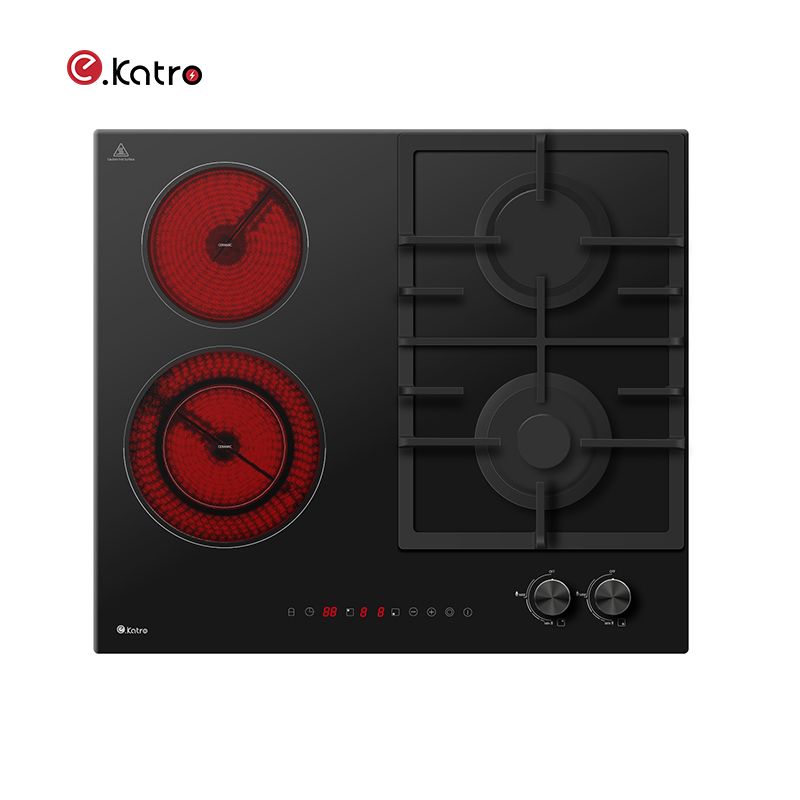
The emergence of built-in ceramic cookers has revolutionized the culinary landscape, blending functionality with aesthetic appeal. These cookers not only save space but also provide users with a more efficient cooking experience. However, as users incorporate these devices into their daily routines, they often encounter challenges. Understanding common issues such as temperature irregularities, non-responsive controls, and uneven cooking can significantly enhance the user experience. In this article, we'll delve deeper into built-in ceramic cooker troubleshooting, addressing pain points, providing solutions, and empowering users with knowledge for a seamless cooking journey.

A built-in ceramic cooker is a cooking appliance designed to be installed into cabinetry, providing a sleek and integrated look in modern kitchens. These cookers utilize ceramic cooktops, which are made from a smooth, glass-like material that efficiently distributes heat. The primary industry terms related to ceramic cookers include "induction cooking," which uses electromagnetic energy to heat pots directly, and "radiant cooking," where electric coils underneath the ceramic surface provide heat. Understanding these terms helps users make informed decisions regarding their cooking preferences and appliance performance.
Built-in ceramic cookers are particularly prevalent in home kitchens, but their utility extends to various culinary environments, including restaurants, catering services, and even food trucks. They are favored for their ability to integrate seamlessly into existing kitchen designs, promoting an organized cooking space. Additionally, their rapid heating capabilities—often reaching optimal cooking temperatures within a mere 10 to 15 minutes—make them suitable for professional chefs who require efficiency and precision in high-demand cooking scenarios.
The importance of built-in ceramic cookers cannot be overstated. According to a 2023 report by the National Kitchen & Bath Association (NKBA), 68% of homeowners express a preference for built-in appliances due to their space-saving benefits. Furthermore, the smooth surface of ceramic cooktops not only enhances the aesthetic appeal but also simplifies cleaning, reducing time spent on kitchen maintenance by approximately 20%. Additionally, the precise temperature control provided by ceramic cookers enhances cooking outcomes, resulting in meals that are consistently done to perfection.
Understanding common troubleshooting methods can alleviate user frustrations. Issues such as irregular heating can often be resolved by ensuring a proper electrical connection, checking the cooktop for damage, or cleaning the surface thoroughly. Non-responsive controls may indicate a need for resetting the appliance, which can typically be done by turning the cooker off for a minute and then powering it back on. For uneven cooking results, it is crucial to confirm that cookware is compatible with the ceramic surface, as using the wrong materials can lead to uneven heat distribution.
For users experiencing difficulties with their built-in ceramic cookers, consulting the user guide often yields valuable insights into troubleshooting methods and maintenance tips. Additionally, for those seeking to explore high-quality options, brands such as Katro offer innovative built-in ceramic cookers that combine technology with user-friendly features, making cooking a delightful experience.
Embrace the convenience and efficiency of built-in ceramic cookers by diving deeper into their functions and ensuring you’re equipped with effective solutions for common issues. With the right knowledge in hand, cooking can be smoother and more enjoyable than ever.
A: When choosing a built-in ceramic cooker, consider factors such as size compatibility with your kitchen space, the type of cooking (induction or radiant), energy efficiency, and the availability of user-friendly features. Ensure the cooker aligns with your cooking habits and kitchen design for optimal performance.
A: Katro's built-in ceramic cookers are designed with advanced technology to provide precise temperature control and efficient cooking. They are known for their durability and user-friendly features, making them a reliable choice for both home and professional kitchens.
A: Regular cleaning of the ceramic surface with appropriate cleaners, checking for any signs of damage, and ensuring proper electrical connections are essential. Refer to the user manual for specific maintenance guidelines to prolong the cooker's lifespan.
A: Built-in ceramic cookers are designed to integrate seamlessly into standard kitchen cabinetry. However, it's important to verify the specific dimensions and installation requirements to ensure a proper fit without the need for custom modifications.
A: Katro provides a comprehensive warranty for their built-in ceramic cookers, covering manufacturing defects and offering after-sales support to assist with installation, maintenance, and troubleshooting, ensuring customer satisfaction and product reliability.