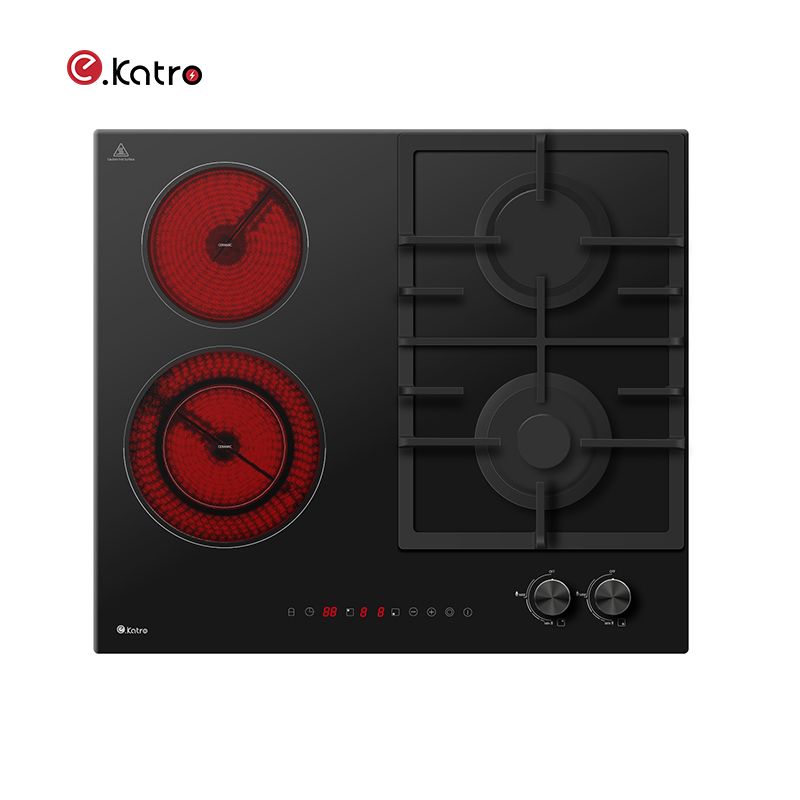
How fast does a built-in induction cooker heat compared to ceramic? Many people wonder about the heating speed of these cookers. Induction cookers use electromagnetic energy for faster cooking, while ceramic cookers rely on radiant heat. As a result, cooking with induction is often quicker. This article will explore both cooking methods, their heating capabilities, and overall performance. 
A built-in induction cooker heats food approximately 50% faster than a ceramic cooker.
Induction cookers generally heat faster. Here’s a quick breakdown:
| Cooker Type | Heating Speed (time to boil 1 liter of water) |
|---|---|
| Induction Cooker | 3-5 minutes |
| Ceramic Cooker | 6-10 minutes |
Induction cookers are more energy efficient. They convert about 90% of their energy into heat, while ceramic cookers only use around 70%. Higher energy efficiency means more savings on your electricity bill.
One remarkable feature of induction cookers is that the surface remains cool to the touch. This reduces the risk of burns. Ceramic cookers, however, can stay hot long after cooking. This can be dangerous, especially for children.
Induction cookers may have a higher initial cost but can save you money in the long term due to their efficiency. Below is a simple cost analysis:
| Cooker Type | Initial Cost | Annual Electricity Cost |
|---|---|---|
| Induction Cooker | $750 | $150 |
| Ceramic Cooker | $450 | $250 |
In conclusion, built-in induction cookers heat food much faster than ceramic cookers. They are more energy-efficient and have better safety features. These benefits make induction cookers a compelling choice for modern kitchens. When you need speed and safety, induction is the way to go.
Yes, induction cookers are safe. They remain cool to touch and have built-in safety features.
No, induction cookers require ferrous cookware that works with magnets.
Induction cookers typically last 10-15 years with proper care.