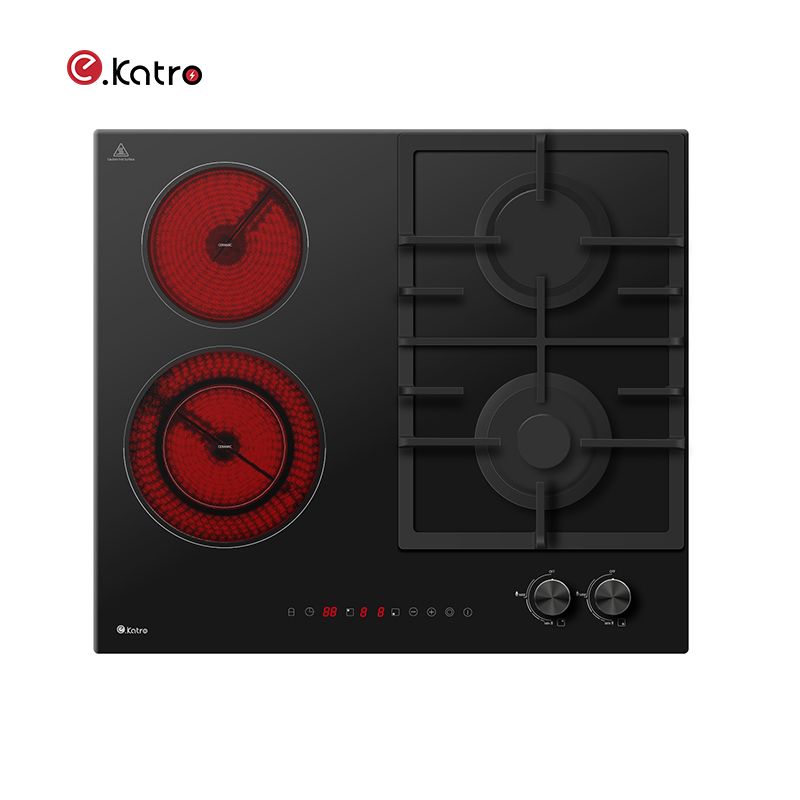
Induction cookers can produce varying noise levels depending on the cooking process. Generally, noise levels between 40-60 decibels are acceptable for a comfortable cooking environment. Higher levels may indicate issues with performance.
Several factors can affect the noise produced by an induction cooker:
To effectively assess how noise levels impact the performance of your Built-in Induction Cooker, follow these steps:
Cook at low, medium, and high settings with each type of cookware while monitoring the noise levels using the decibel meter.
Document the noise levels for each power setting and cookware combination. Note any performance changes related to noise.
Create a comparison table to visualize noise levels from different cookers and settings:
| Cookware Type | Low Setting (dB) | Medium Setting (dB) | High Setting (dB) |
|---|---|---|---|
| Cast Iron | 45 | 54 | 65 |
| Stainless Steel | 43 | 52 | 63 |
Failure to use induction-compatible cookware can lead to poor performance and increased noise. Always check for a magnetic base.
Do not overlook excessive noise as a sign of malfunction or inefficiency. It can indicate potential issues with the cooker’s motor or fan.
Regular maintenance is essential. Ensure the cooktop and ventilation areas are clean to prevent noise-related performance issues.
In summary, understanding how noise levels affect the performance of a built-in induction cooker is essential for an effective cooking experience. By following the outlined steps and avoiding common mistakes, you can enjoy a quieter, more efficient cooking process. For the best in built-in induction cookers, explore Katro's offerings to enhance your kitchen experience.
A: Acceptable noise levels for built-in induction cookers are generally between 40-60 decibels. Higher levels may indicate a potential issue with performance.
A: To assess noise performance, you can use a decibel meter to measure noise levels while cooking at different power settings and with various types of cookware.
A: Induction-compatible cookware, such as cast iron or stainless steel, typically yields lower noise levels. Ensure the cookware has a magnetic base for optimal performance.
A: Regularly clean the cooktop and ventilation areas, and ensure that all components are free from debris and blockage to prevent noise-related performance issues.
A: Yes, excessive noise can signal potential problems with the cooker's motor or fan. If you experience increased noise, consider consulting with a professional or the manufacturer for support.