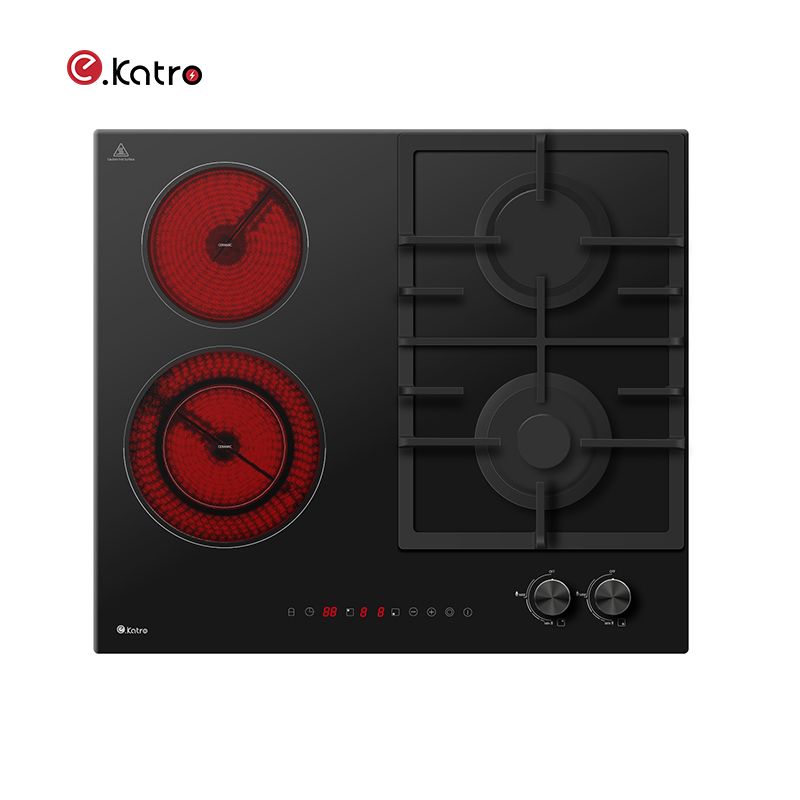
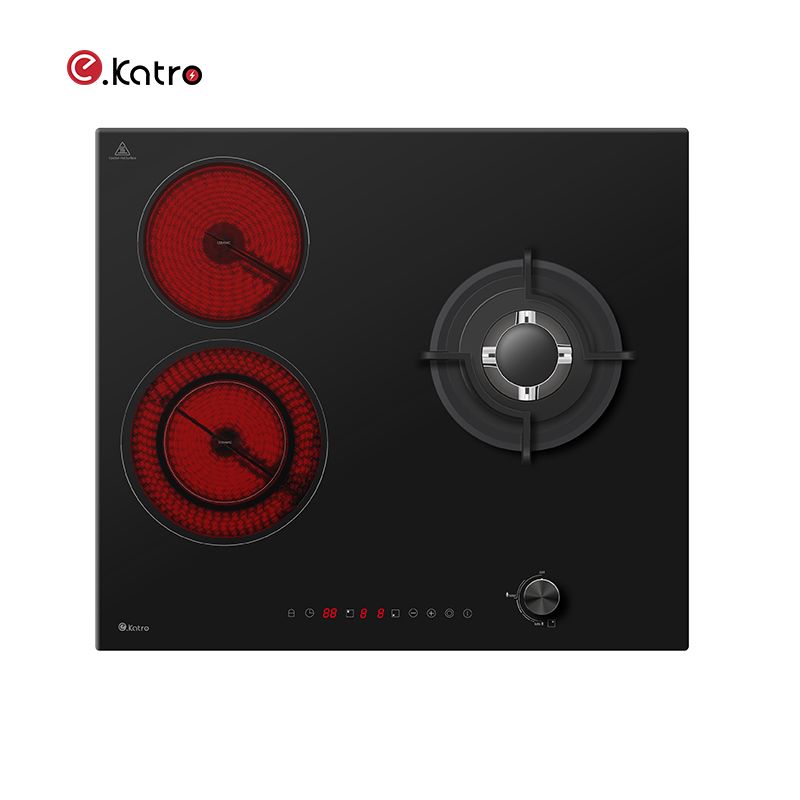
As the culinary landscape evolves, the need for efficient and safe cooking solutions propels innovations like the Built-in Induction Cooker. These modern devices not only reduce cooking times by up to 50% compared to traditional stovetops but also enhance energy efficiency, consuming 20% less power. However, maintaining a built-in induction cooker requires specific care strategies to ensure longevity and optimal performance. Understanding how to properly maintain your induction cooktop address crucial pain points—like stumbling upon a malfunction during meal preparations and dealing with inefficient cooking experiences.
Built-in induction cooker maintenance is vital for users who rely on these appliances daily. A lack of maintenance can lead to decreased cooking efficiency, damage to the cooker, and even safety hazards. For instance, accumulated spills can cause a malfunction or unnecessarily force the unit to work harder, leading to increased energy usage and eventually shortening its lifespan. Regular upkeep allows cooks to enjoy their appliance’s benefits, ensuring they operate at an optimum level throughout their lifespan.

Understanding how to maintain your built-in induction cooker properly will help elevate your cooking game, ensuring that every meal you prepare is easy and efficient.
Built-in induction cookers utilize electromagnetic fields, allowing for precise temperature control and faster cookware heating. When a pot or pan is placed on the cooktop, the induction cooker generates a magnetic field that induces heat directly in the cookware, rather than the cooktop itself. According to a study by the American Gas Association, induction cookers can achieve boiling points in just 90 seconds, which significantly reduces cooking time.
One notable industry term in this context is "hysteresis," referring to the lag between the input and output response. Induction technology optimizes this to ensure minimal energy waste, maximizing efficiency for the user.
Built-in induction cookers are versatile, finding their place in various fields, such as:
Their application in these scenarios proves how they adapt to different cooking needs and settings, transforming how users approach meal preparation.
The importance of using a built-in induction cooker lies in several distinct advantages:
Efficiency: Built-in induction cookers heat up faster; users can see a 50% reduction in cooking times compared to gas or electric stoves. This allows for multitasking during meal preparations.
Safety Features: With the cooktop remaining cool to the touch, there’s a reduced risk of burns. A report from the National Fire Protection Association reveals that induction cooktops are linked to a 25% decrease in kitchen fire incidents.
Easy Maintenance: Smooth surfaces allow spills to be cleaned quickly and effortlessly, preventing grease buildup. Users can maintain optimal performance without investing extensive time or effort.
Energy Saving: Built-in induction cookers consume 90% of the energy emitted, significantly lowering energy bills over time.
To ensure the long-term efficiency of your built-in induction cooker, users should regularly refer to the user manual for specific care guidelines tailored to their model. Common maintenance tips include:
Cleaning: Use a soft cloth with mild soap to wipe down the surface after each use. Avoid abrasive materials that could scratch the surface.
Regular Checks: Inspect cables and plug connections for signs of wear or damage. Ensuring optimal functionality helps prevent potential safety hazards.
Professional Service: Depending on usage frequency, consider having the induction cooker professionally serviced every one to two years to deal with internal components.
For those looking to expand their kitchen technology, consider exploring the Katro brand. Their built-in induction cookers combine sophisticated technology with user-friendly features tailored for modern cooking demands.
In conclusion, maintaining a built-in induction cooker not only enhances performance but also maximizes the investment made in this efficient cooking appliance. With proper care and attention, you can ensure that your kitchen remains both smart and efficient, bringing a seamless cooking experience to your home.
A: To maintain your built-in induction cooker, regularly clean the surface with a soft cloth and mild soap, check cables and plugs for wear, and consider professional servicing every one to two years.
A: Built-in induction cookers consume 90% of the energy emitted, significantly reducing energy bills while providing faster cooking times, up to 50% less compared to traditional methods.
A: Built-in induction cookers use electromagnetic fields for precise temperature control and quick heating, achieving boiling points in just 90 seconds, while traditional stovetops may take much longer.
A: Look for features such as cool-to-touch surfaces, automatic shut-off options, and indicators for active burners to minimize burn risks and kitchen hazards.
A: We suggest exploring Katro's range of built-in induction cookers, which are designed for high efficiency and durability, making them ideal for commercial kitchens.