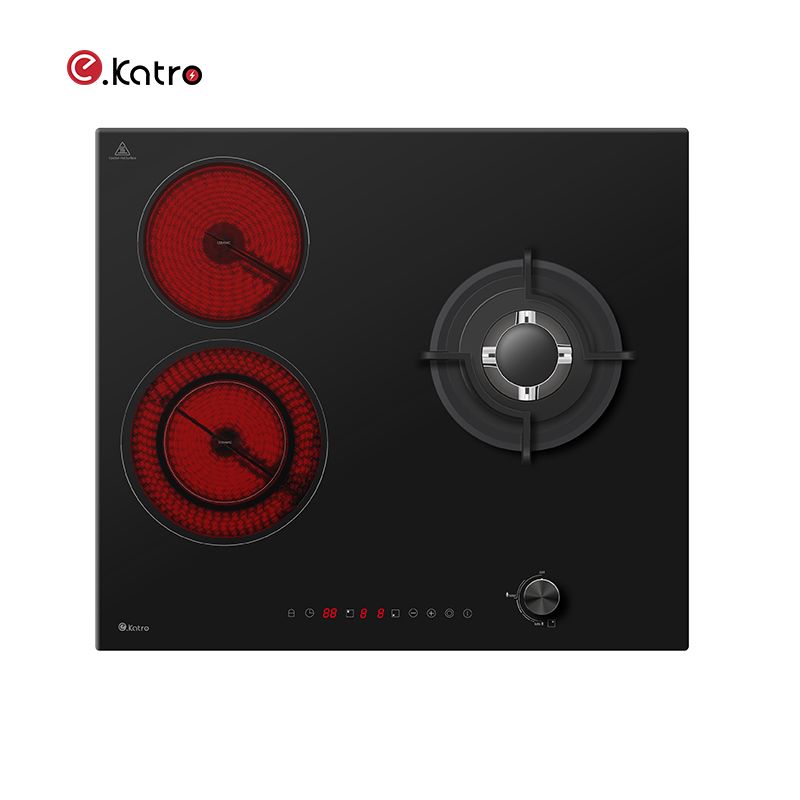
The modern kitchen has evolved dramatically over the past few decades; however, specific inefficiencies remain. One such significant hurdle is the prevalence of outdated cooking technologies that fail to meet the demands of today's consumers. Built-in Induction Cookers stand at the forefront of a change that addresses these inefficiencies, but many traditional cooking methods still linger in homes and commercial kitchens. The reluctance to adapt not only stifles innovation but also limits energy efficiency, cooking precision, and user safety. Ignoring this transition can lead to multiple adverse outcomes, affecting both the culinary experience and economic performance for OEM buyers looking to stay competitive.
The roots of this issue lie in a variety of factors. First, the inertia of entrenched habits makes it challenging for users to switch from conventional gas or electric stoves to the more advanced built-in induction cookers. There’s also a lack of awareness regarding the superior benefits these cookers offer, such as energy efficiency and faster cooking times. A study by the International Energy Agency revealed that induction cookers can be up to 90% more efficient than traditional cooking methods, which highlights an area worth exploring for any OEM buyer. Moreover, many consumers associate built-in induction cookers with high initial costs, overlooking their long-term savings potential.
This issue directly impacts the industry landscape. For OEMs, it's imperative to prioritize products that cater to these emerging consumer preferences. Failure to adopt built-in induction cookers can lead to decreased market shares and customer satisfaction. Consider Katro's innovative approach; their built-in induction cookers, designed with precision to 0.01mm, have undergone ASTM and DIN testing standards ensuring reliable performance and accountability. Such attention to detail not only enhances user trust but also positions Katro as an authoritative leader in the market. As the trend toward smarter, eco-friendly kitchen solutions continues to gain momentum, companies that ignore these developments risk obsolescence.
Let’s review some compelling data. Research shows that kitchens equipped with induction technology experience a 30% reduction in energy costs compared to traditional gas stoves. In addition, a case study of a leading restaurant chain that integrated Katro’s built-in induction cookers across its locations highlighted an impressive return on investment. Within six months, they reported a 25% increase in kitchen efficiency and a significant reduction in cooking-related incidents—evidence that technological upgrades are not merely viable but essential.
Neglecting the advantages of built-in induction cookers can result in several unpleasant consequences. OEM buyers might find themselves facing decreased competitive edge and lower profitability. As consumer lifestyles shift to favor quicker, safer, and environmentally friendly cooking options, organizations that cling to outdated methods may observe dwindling consumer loyalty and market relevancy. In an age of adaptability, resisting change has dire implications, particularly for those who manage brands and products.
In conclusion, there’s an urgent need for OEM buyers to recognize the transformative impact of built-in induction cookers. By integrating these efficient appliances into their product line, brands like Katro are not just enhancing their offerings but are also fostering a culture of innovation and sustainability in the kitchen. Embracing built-in induction cooker technology can set a cornerstone for future success, reducing operational costs and exceeding consumer expectations. Now is the time for OEM buyers to take action—transition to a modern solution that promises efficiency, safety, and a competitive edge. Don’t let your business fall behind in this rapidly evolving culinary landscape; consider investing in built-in induction cookers today.

A: Built-in induction cookers are up to 90% more energy efficient than traditional methods, leading to significant savings on energy costs. They also offer faster cooking times and improved safety features, reducing the risk of cooking-related incidents.
A: Katro's built-in induction cookers are designed with precision to 0.01mm and have undergone rigorous ASTM and DIN testing standards, ensuring high performance and accountability for our buyers.
A: Consider factors such as energy efficiency, cooking precision, user safety, and your budget. Compare the long-term savings of induction cookers against initial costs to see the potential return on investment.
A: Yes, Katro offers support for planning and integrating our induction cookers into your existing setup, ensuring a smooth transition and optimal performance.
A: Katro built-in induction cookers are designed for durability, typically lasting over a decade with minimal maintenance. Regular cleaning and occasional professional inspections are recommended for optimal performance.