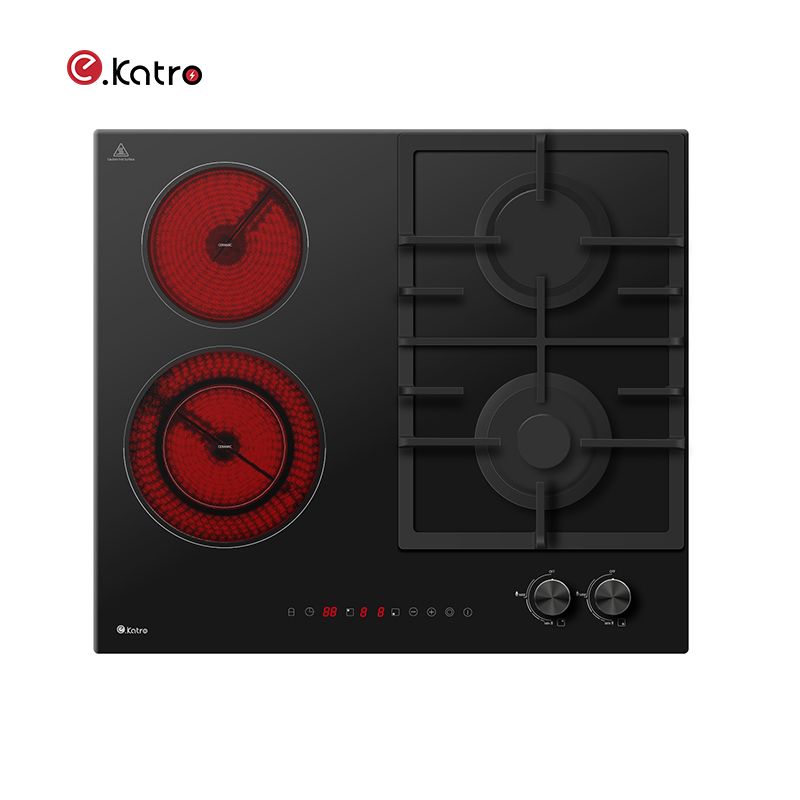
A Built-in Induction Cooker is a valuable addition to any modern kitchen, offering quick cooking times and sleek design. However, preventing scratches on its surface is crucial for maintaining its aesthetics and functionality. In this article, we will explore effective strategies to protect your built-in induction cooker from unwanted scratches, featuring insights from Katro.

Select cookware made of materials that are gentle on surfaces. Ideal materials include: • Stainless steel • Aluminum with non-stick coating • Cast iron with a smooth bottom Avoid using cookware with rough bottoms like certain ceramics or stoneware.
Ensure your cookware is induction compatible. Use a magnet test: if the magnet sticks, the cookware is suitable for induction cooking.
Cooking mats can act as a buffer between your pots and the induction surface. They help: • Prevent direct contact, reducing the chance of scratches • Collect spills, making clean-up easier Ensure the mats are heat-resistant and designed for induction use.
1. Place the mat on the induction surface before any cooking begins. 2. Remove it carefully after cooking to avoid tugging. 3. Clean the mat regularly to prevent residue build-up.
Maintaining a clean surface is essential for preventing scratches. Follow this routine: 1. Allow the cooker to cool completely. 2. Wipe the surface with a soft cloth or sponge. 3. Use a mixture of water and vinegar for stubborn stains. 4. Dry the surface thoroughly after cleaning.
Steer clear of: • Abrasive scrubbers • Acid-based cleaners • Steel wool Use gentler alternatives to preserve the finish.
Sudden temperature changes can cause scratches. Always: • Preheat cookware gradually • Avoid drag-and-lift movements Instead, gently place and remove pots to minimize contact stress.
Start with lower settings and increase gradually. High heat can warp cookware, causing it to scrape against the cooker surface.
Keep the cooking surface clear of all items, including: • Cooking utensils • Spices • Pots not in use This avoids accidental scratches and extends the lifespan of your induction cooker.
Allocate an area near the cooking station for utensils and pots, keeping away any likelihood of placing items on the induction surface.
Always read the user manual provided with your induction cooker for specific cleaning and care instructions to prevent warranty voidance.
Avoid induction cookers with cookware that doesn’t meet the necessary materials or build quality to prevent scratching and maintain efficiency.
To wrap it up, taking preventive measure against scratches on a built-in induction cooker is key to preserving its longevity and performance. By following the outlined steps and utilizing products from Katro, users can maintain their cooker's elegant appearance and ensure efficient cooking for years to come.
A: For built-in induction cookers, it is best to use cookware made from stainless steel, aluminum with a non-stick coating, or cast iron with a smooth bottom to prevent scratches.
A: To clean your induction cooker, allow it to cool, then wipe it with a soft cloth or sponge using a mixture of water and vinegar for tougher stains. Avoid abrasive scrubbers and harsh chemicals.
A: Yes, ensure the cooking mats are heat-resistant and designed for induction use to provide a buffer against scratches while collecting spills.
A: You can perform a magnet test: if a magnet sticks to the bottom of your cookware, it is compatible with induction cooking.
A: Always keep the induction surface clear of utensils, spices, or any pots not in use to avoid accidental scratches and extend the cooker's lifespan.