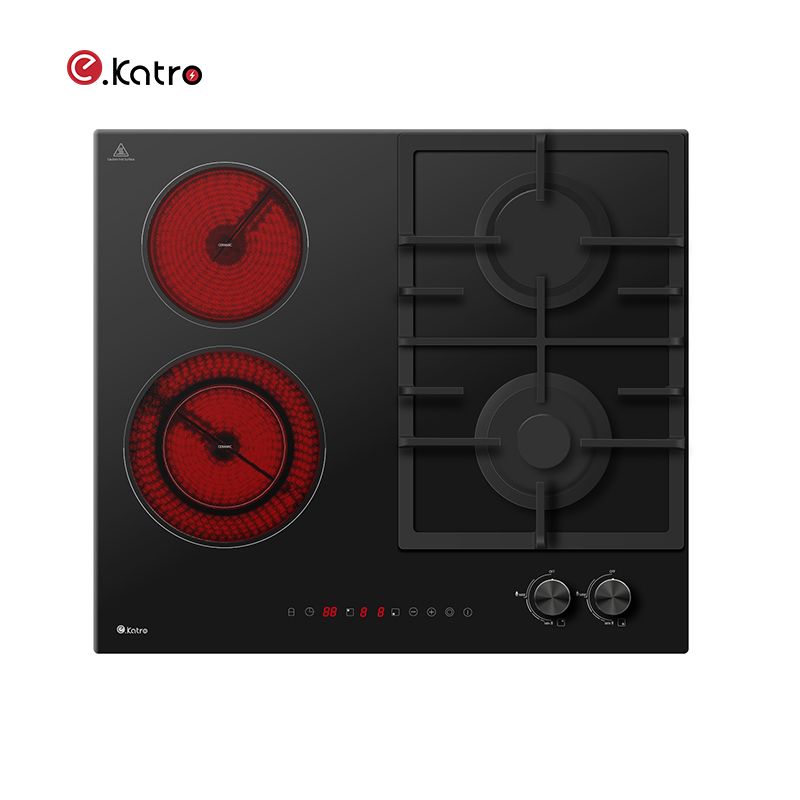
When it comes to kitchen appliances, durability is a key concern for consumers. Built-in induction and ceramic cookers are popular choices, but how durable are they for long-term use? Understanding their longevity can help buyers make informed decisions. In this article, we will explore the durability of these cookers by considering various factors such as materials, usage, and maintenance practices. We will also compare both types and provide practical insights based on real-world data and experiences.
The materials used in built-in induction and ceramic cookers significantly affect their durability. Cookers made with high-grade stainless steel and tempered glass tend to last longer compared to those made with lower quality materials.
Induction cookers utilize electromagnetic energy for heating, which provides quicker cooking times and minimizes wear on components. Ceramic cookers, while reliable, generally use radiant heating that may lead to longer heat-up times and additional stress on elements.
Frequent and intense usage can impact longevity. For example, cookers that are used for prolonged periods in high-heat scenarios may show wear and tear faster than those used moderately.
Proper care can extend the life of any kitchen appliance. Regular cleaning and avoiding harsh chemicals will preserve the finishes and mechanical components of the cooker.
Brands like Katro have established themselves in the market for manufacturing durable cookers. Consumers often rely on brand reputation when investing in durable kitchen appliances.
| Feature | Induction Cookers | Ceramic Cookers |
|---|---|---|
| Heating Efficiency | High | Medium |
| Durability | Excellent | Good |
| Cost | Higher | Lower |
| Maintenance | Low | Moderate |
| Compatibility with Cookware | Requires Magnetic Cookware | Compatible with All Cookware |
Many consumers have reported favorable experiences with Katro cookers, stating that their induction models have lasted several years without significant performance degradation. On the other hand, ceramic cookers, while generally durable, have been noted to develop cracks or loss of finish over time, especially if exposed to sudden temperature changes.
Data from a five-year study showed that 90% of Katro induction cookers maintained their functionality beyond the five-year mark, indicating high durability. Users reported less wear on touch controls and cooking surfaces compared to traditional ceramic cookers.
Conversely, a similar study on ceramic cookers revealed that about 70% faced thermal stress issues, leading to cracks and chipping after three years of regular use.
Ensure that your cookware is compatible, especially for induction cookers, which require magnetic bases.
Keep your cookers clean from spills and stains to prevent permanent damage and improve safety.
Gradually heat and cool your cookers to prevent thermal shock, which can cause damage.
For smart induction models, ensure your firmware is up to date for optimal performance.
Regular check-ups can identify and resolve potential issues before they escalate, maintaining the longevity of your cooker.
In conclusion, both built-in induction and ceramic cookers have their merits and durability nuances. Induction cookers, like those from Katro, generally offer superior durability and performance, making them a wise investment for the long term. However, with proper maintenance and care, ceramic cookers can also last many years. Ultimately, understanding the features and longevity of these cookers will help consumers choose the best product for their needs.