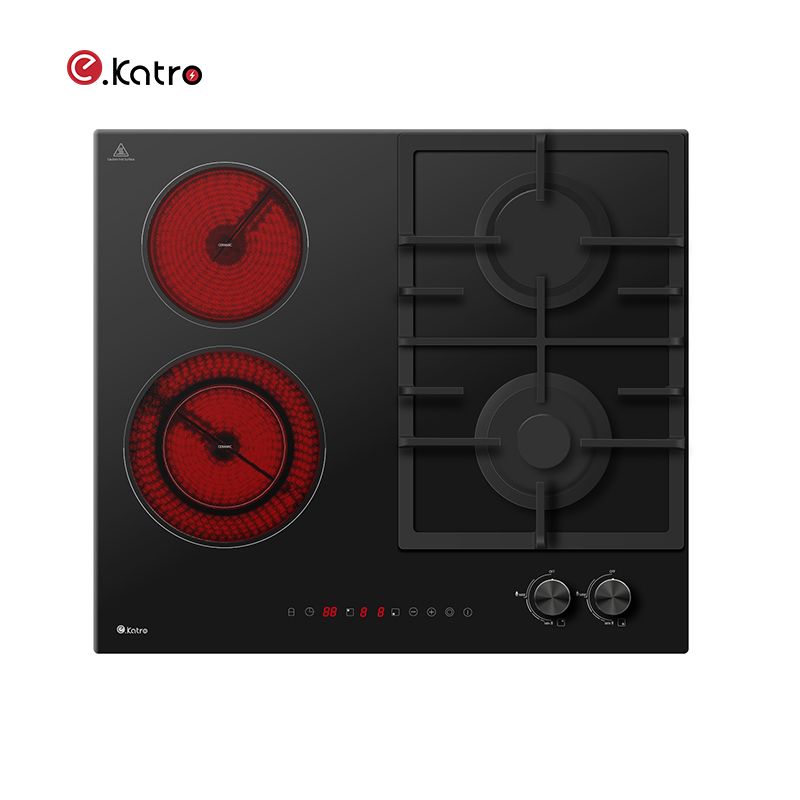
Installing built-in induction and ceramic cookers can be a challenging task. Many people face issues related to the electrical supply and space requirements. This guide will help you understand the installation process and essential requirements. Knowing the right steps can prevent future problems. Induction cookers need a specific type of electrical outlet, while ceramic cookers might require different considerations. Make sure you measure the space before making any decisions. 
The main requirements to install built-in induction and ceramic cookers include proper electrical connections, suitable cabinet space, and ventilation. Always refer to the manufacturer's guidelines for specific details.
Induction cookers typically need a 230V supply. Make sure your home wiring can handle the amperage required. Generally, a 30A circuit is necessary for these cookers.
Always measure your installation area. Induction cookers and ceramic cookers come in various sizes. Ensure that your countertop can accommodate the new appliances.
Local electrical regulations must be adhered to during installation. These codes ensure safety and efficiency. It's wise to consult a professional if you're unsure about the compliance.
Understanding the installation requirements for built-in induction and ceramic cookers is crucial for a successful setup. Key factors include electrical connections, proper space measurements, and adherence to safety codes. Always consult the manufacturer's guidelines for specific instructions to ensure optimal performance.