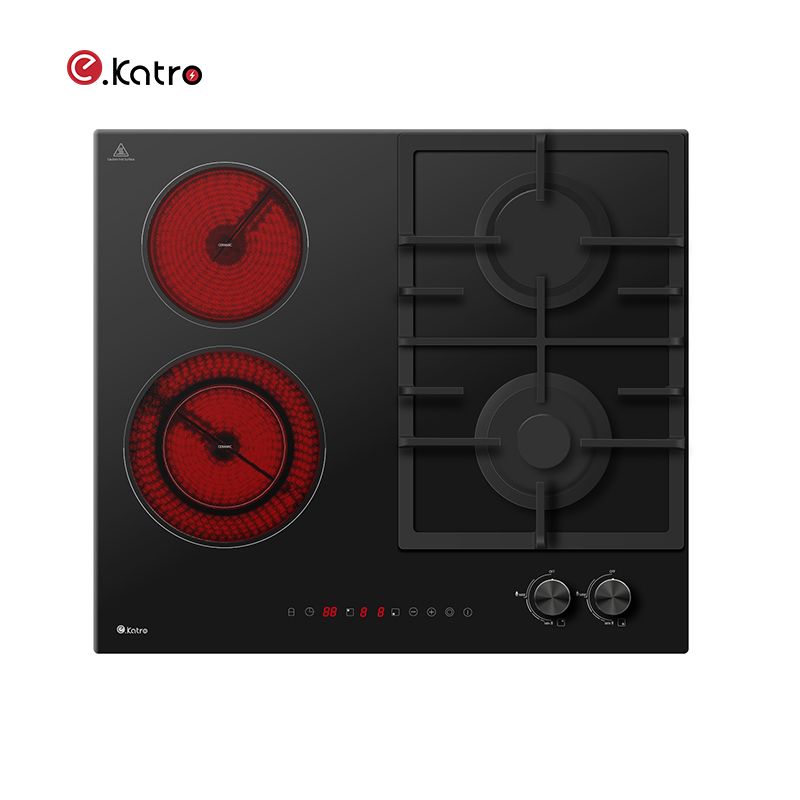
Choosing the right materials for built-in induction and ceramic cookers is crucial for performance and aesthetic appeal. Users often seek surfaces that offer heat resistance, ease of cleaning, and durability. Common materials include glass ceramics, tempered glass, and stainless steel, each presenting unique advantages and considerations for buyers and distributors.
Glass ceramics are a favored option for induction cookers due to their excellent thermal stability and sleek appearance.
Glass ceramics can withstand high temperatures up to 1000 degrees Celsius without warping, making them ideal for induction cooking.
The smooth surface of glass ceramics prevents food particles from sticking, making cleanup straightforward.
Tempered glass is another strong contender known for its safety features and modern look.
Tempered glass is five times stronger than normal glass, which contributes to its resistance against impacts and thermal shocks.
Available in various colors and designs, tempered glass adds a stylish touch to any kitchen.
Stainless steel is a versatile material known for its resilience and professional appearance.
Being resistant to corrosion and rust, stainless steel surfaces can last for decades with proper care.
Stainless steel offers even heat distribution, which is critical for cooking efficiency.
| Material | Heat Resistance | Durability | Ease of Cleaning | Design Options |
|---|---|---|---|---|
| Glass Ceramics | Up to 1000°C | High | Very Easy | Limited Colors |
| Tempered Glass | Up to 500°C | High | Easy | Variety of Choices |
| Stainless Steel | Up to 600°C | Very High | Moderate | Clumsy Designs |
When selecting materials for induction and ceramic cookers, users should consider factors such as heat resistance, ease of cleaning, and style preferences. For instance, while glass ceramics excel in thermal stability, tempered glass may appeal more to buyers looking for aesthetics. Additionally, stainless steel might be ideal for those prioritizing durability and longevity.
In conclusion, the best materials for built-in induction and ceramic cooker surfaces depend on user needs and cooking habits. Glass ceramics, tempered glass, and stainless steel all provide distinct advantages, making them suitable for various preferences. With careful consideration of heat resistance, ease of maintenance, and design, buyers can select the perfect surface for their cooking needs.
 Katro Cookers">
For more information about high-quality surfaces, visit Katro’s website for complete product details and specifications.