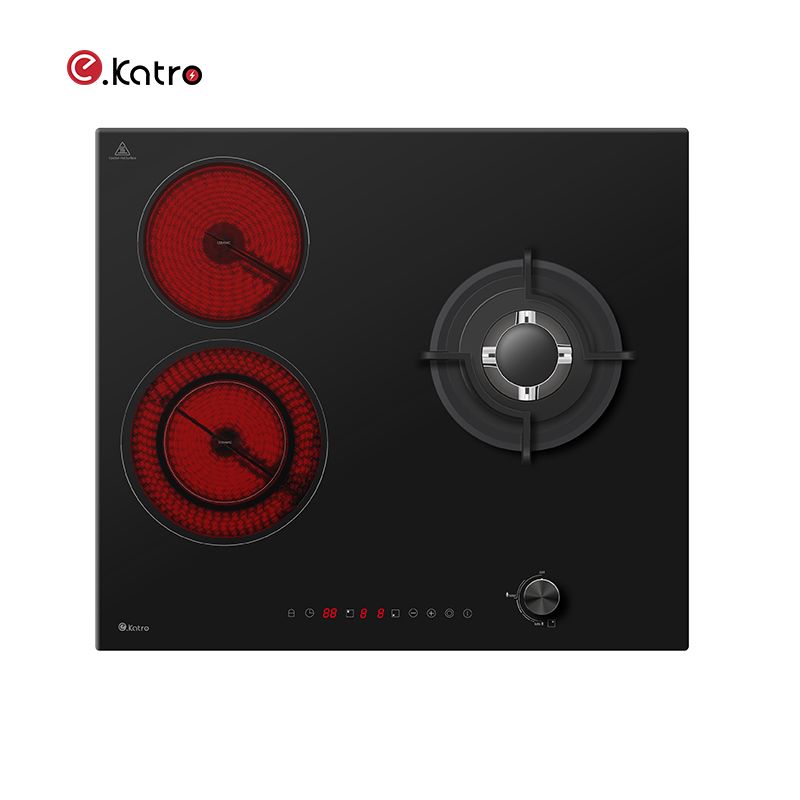
As the culinary landscape evolves, the emergence of built-in induction cookers is transforming kitchens globally, catering to both professional chefs and home cooks. With their sleek designs and energy-efficient cooking methods, they address common pain points such as uneven heating and slow cooking times. Instead of wrestling with bulky, outdated stovetops, home chefs now turn to built-in induction cookers that promise precision and an enhanced cooking experience. This article will guide you through key insights about built-in induction cooker cookware, addressing user problems while highlighting how they can streamline your cooking process.

Built-in induction cookers are unique appliances that use electromagnetic fields to heat cookware directly, providing faster and more efficient cooking options compared to traditional methods. According to a study by the American Council for an Energy-Efficient Economy (ACEEE), induction cooktops can reduce cooking time by up to 50% compared to gas and electric ranges. The technology works by creating a magnetic field that generates heat within the pot or pan, thus eliminating wasted energy.
In this context, it’s vital to consider the specialized cookware required for optimal performance. Cookware must be compatible with induction technology, meaning it should have a magnetic base. This ensures that heat distribution is uniform and cooking times are significantly minimized, addressing concerns over inconsistent meal preparation.
Built-in induction cookers are favored in various environments, including:
Whether you’re cooking for a family, experimenting with gourmet recipes, or operating a busy kitchen, built-in induction cookers meet diverse culinary demands effectively.
Investing in built-in induction cooker cookware provides several notable advantages supported by data:
Efficiency: Induction cookers heat up ingredients nearly twice as fast as conventional gas stoves—taking approximately 7 minutes to boil water compared to the 15 minutes for gas (U.S. Department of Energy).
Safety Features: As induction cooktops do not heat up unless cookware is present, this significantly reduces the risk of burns and injuries, making them particularly desirable for families with children.
Energy Conservation: Induction cooktops consume up to 20% less energy compared to gas stoves, translating into measurable cost savings on energy bills (ACEEE).
These features not only improve the cooking experience but also contribute to a safer and more sustainable kitchen environment.
To make the most of your built-in induction cooker, consider navigating the user guide provided with your appliance. Familiarizing yourself with operational features and settings will ensure you harness the full potential of induction cooking.
If you're contemplating a purchase or looking for more advanced options, exploring reputable brands like Katro can enhance your culinary experience with high-quality built-in induction cookware.
In summary, built-in induction cooker cookware exemplifies an intelligent choice for modern kitchens. By understanding the technology, its application scenarios, and its advantages, you can optimize your cooking journey and enjoy a seamless culinary experience. For a deeper dive into the mechanics of induction cooking and tips on maximizing your equipment, check out additional resources or consult with experts within the industry. Your kitchen transformation awaits!
A: Built-in induction cookers offer faster heating, with water boiling in approximately 7 minutes compared to 15 minutes on gas stoves. They also provide enhanced safety by heating only when compatible cookware is present, reducing burn risks, and are more energy-efficient, consuming up to 20% less energy than gas stoves.
A: To be compatible, cookware must have a magnetic base. This ensures uniform heat distribution and efficient cooking times. It's advisable to check the manufacturer's specifications or use a magnet to test the base of your cookware.
A: Yes, many built-in induction cookers are designed for seamless integration into modern kitchen designs, allowing homeowners to incorporate them into existing cabinetry for a sleek and cohesive look.
A: Built-in induction cookers consume up to 20% less energy than gas stoves, leading to measurable cost savings on energy bills. This efficiency is due to the direct heating method, which minimizes energy loss.
A: For high-quality built-in induction cookware, consider exploring reputable brands like Katro, which offer a range of products designed to enhance your culinary experience with built-in induction cookers.