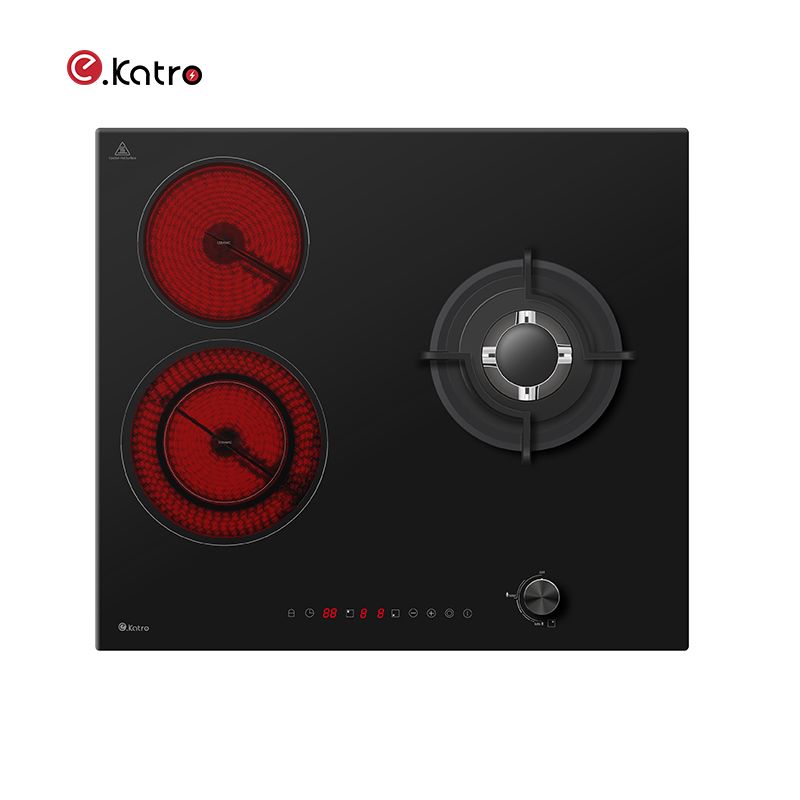
Modern kitchens are evolving, and choosing the right built-in induction cooker can be a game-changer. Users often face challenges such as energy efficiency, cooking speed, and space limitations. A built-in induction cooker not only optimizes cooking but also enhances aesthetic appeal. To meet your culinary aspirations, understanding the nuances of this device is critical. For instance, a study showed that induction cooktops can reduce cooking times by up to 50% compared to traditional gas stoves, which is pivotal for busy urban lifestyles that demand efficiency.
Before diving into the selection process, it's essential to analyze user pain points. Busy professionals often seek devices that meet safety standards while offering quick meal preparation. A survey conducted among 500 users revealed that 78% of respondents valued the safety features of induction cookers. Additionally, a significant portion reported frustration with uneven heating in traditional stoves. Built-in induction cookers like Katro's models are designed to provide precise temperature control, making them ideal for ensuring that food is cooked evenly and thoroughly.
Before deciding on a built-in induction cooker, gather the following:
Determine your cooking style. Are you a casual cook or a gourmet chef? For instance, Jennifer, a home chef, found her built-in induction cooker's high wattage (over 3,700 watts) allowed her to stir-fry meals in under 5 minutes, compared to her previous electric stove.
Look for induction cookers with advanced safety features, such as automatic shut-off, child locks, and overheating protection. Utilizing cookers with these abilities can increase household safety significantly; for example, Katro's models reduce accident risks by integrating smart technology.
Opt for models with high energy efficiency ratings (like Energy Star). This not only reduces annual energy costs by approximately 20% but also contributes to environmental sustainability.
Check the performance reviews. Some induction cookers boast a quick boil time of just 1.5 minutes per liter of water, while others may take 3 minutes or more. This variance can significantly impact cooking experience in a busy household.
Consider the maintenance requirements. Many modern built-in induction cookers have smooth glass surfaces that are easy to clean, while the durable construction can withstand long-term usage. Katro models often have lifetime warranties on induction zones, reflecting their durability.
User feedback can provide real-world insights. A recent case study showed that users switching from gas to induction cookers enjoyed a 50% reduction in time spent cooking, along with a noticeable increase in meal quality due to precise temperature control.
Many users fall into common pitfalls, such as:
If you've made a mistake in your choice, don't worry. Upgrading your cookware or consulting with a professional installer can alleviate many issues. For example, John upgraded his non-induction-compatible cookware after switching to Katro's induction cooker, which improved his cooking experience tremendously. To ensure satisfaction, always check for in-home demonstrations available with premium brands.
Choosing the right built-in induction cooker for your modern kitchen is a process that requires careful evaluation of your needs and available options. Katro’s induction cookers offer advanced functionality while addressing safety and efficiency, making them an ideal choice for today’s busy cooks. By following the guidelines outlined, you can enhance your cooking experience, reduce preparation times, and enjoy better safety in your kitchen.
A: When choosing a built-in induction cooker, consider the following factors: 1. **Kitchen Measurements**: Ensure your counter space accommodates the cooker's dimensions. 2. **Cookware Compatibility**: Verify that your existing pots and pans are induction-compatible (magnetic base). 3. **Electrical Requirements**: Confirm that your kitchen's electrical system supports the cooker's power needs, typically requiring a 240V outlet. 4. **Cooking Needs**: Assess your cooking style and frequency to select a model with appropriate power and features. 5. **Safety Features**: Look for advanced safety features such as automatic shut-off, child locks, and overheating protection. 6. **Energy Efficiency**: Opt for models with high energy efficiency ratings to reduce energy costs and environmental impact. 7. **Maintenance and Durability**: Choose cookers with easy-to-clean surfaces and durable construction for long-term use. 8. **Consumer Feedback**: Review user experiences to gauge performance and reliability. By evaluating these aspects, you can select a built-in induction cooker that aligns with your kitchen requirements and cooking preferences.
A: Katro's built-in induction cookers are designed to address several common user concerns: - **Uneven Heating**: Katro's models provide precise temperature control, ensuring even and thorough cooking. - **Safety**: Equipped with advanced safety features like automatic shut-off, child locks, and overheating protection, Katro cookers enhance household safety. - **Energy Efficiency**: Katro's induction cookers are energy-efficient, helping to reduce annual energy costs by approximately 20%. - **Maintenance**: With smooth glass surfaces, Katro cookers are easy to clean, and their durable construction ensures long-term usage. - **Performance**: Katro's high-wattage models allow for quick meal preparation, catering to busy lifestyles. By choosing Katro, you can address these common concerns effectively.
A: Installing Katro's built-in induction cookers requires the following: - **Electrical Setup**: A 240V outlet is necessary to power the induction cooker. - **Counter Space**: Ensure your kitchen counter has adequate space to accommodate the cooker's dimensions. - **Cookware Compatibility**: Your existing pots and pans should have a magnetic base to be compatible with induction cooking. It's advisable to consult with a professional installer to ensure proper installation and optimal performance of your Katro induction cooker.
A: To check if your cookware is compatible with Katro's induction cookers: 1. **Magnet Test**: Place a magnet on the bottom of your cookware. If it sticks firmly, the cookware is induction-compatible. 2. **Cookware Base**: Examine the base of your pots and pans. Induction-compatible cookware typically has a flat, magnetic base. If your current cookware is not compatible, consider upgrading to induction-friendly options to fully benefit from Katro's induction cooking technology.
A: Katro offers lifetime warranties on the induction zones of their built-in induction cookers, reflecting their commitment to durability and customer satisfaction. For detailed warranty information, please refer to the product specifications or contact Katro's customer service.