For restaurant owners and commercial kitchen operators, choosing the right cooking equipment is critical for efficiency and cost-effectiveness. While both electric hobs (electric coil stoves) and induction hobs are popular, understanding their operational, cost, and performance differences can optimize kitchen workflows. As a leading kitchen hob supplier, Katro Appliances highlights these distinctions to help buyers make informed decisions.
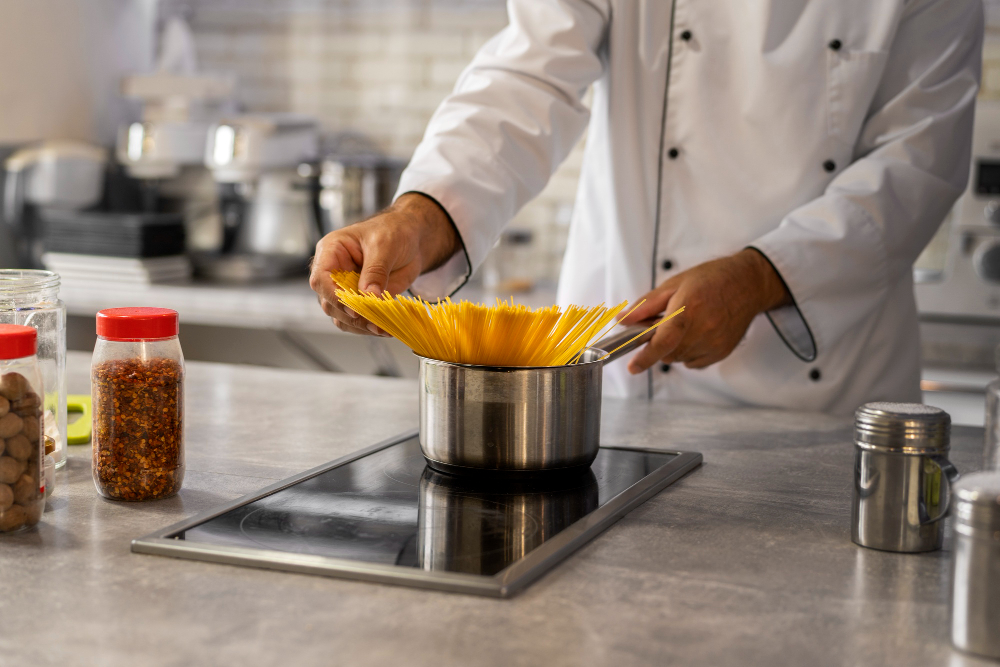
Electric hobs use radiant heat, which heats the cookware indirectly, leading to slower temperature control and higher energy consumption. In contrast, induction hobs employ electromagnetic fields for direct heating, offering precise temperature adjustments and faster cooking times. For businesses seeking advanced technology, partnering with a half-bridge induction hob supplier ensures access to energy-efficient and high-performance models.
While electric hobs are generally cheaper upfront, their higher energy usage results in greater long-term operational costs. Induction hobs, though more expensive initially, reduce energy bills by up to 50%, making them a cost-effective choice for high-volume kitchens. As a trusted built-in Induction Cooker manufacturer, Katro Appliances provides durable and economical solutions tailored for commercial use.
Induction hobs outperform electric hobs in heat distribution and safety, as they remain cool to the touch and minimize burn risks. Additionally, their instant response to temperature changes enhances cooking precision, ideal for professional kitchens. For brands looking to integrate the best of both technologies, Katro Appliances offers a Hybrid cooking system OEM service, combining induction and electric heating for versatile culinary applications.
Selecting the right hob depends on your kitchen’s needs—electric hobs suit budget-conscious setups, while induction hobs deliver superior efficiency. Whether sourcing from a kitchen hob supplier or exploring custom solutions, Katro Appliances ensures high-quality, innovative options for global distributors and wholesalers. Investing in the right technology maximizes productivity and profitability in the competitive foodservice industry.


