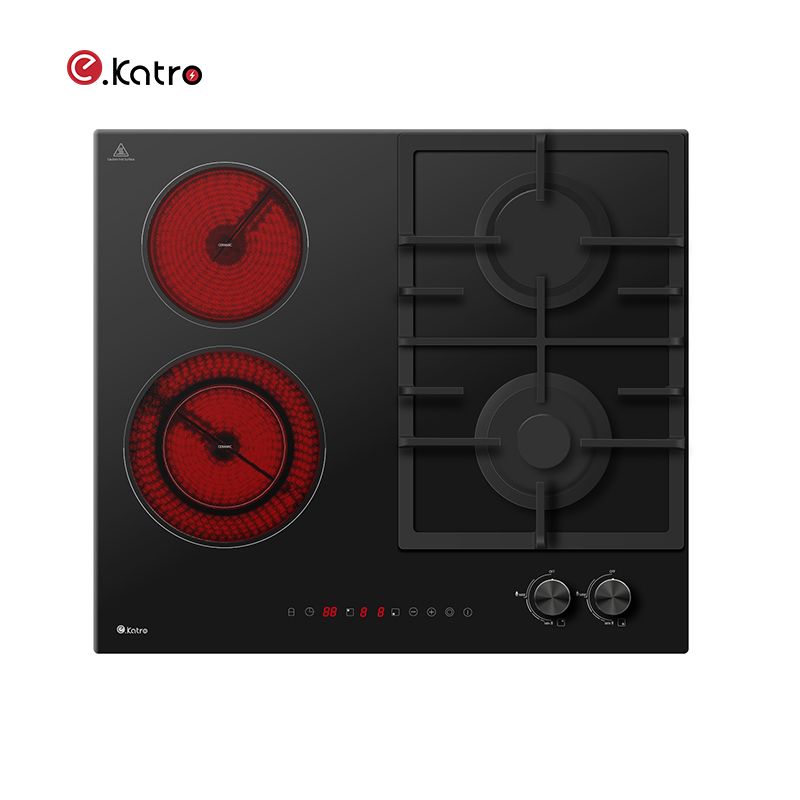
To effectively reduce after-sales issues for built-in cookers, manufacturers must first understand customer needs. This involves recognizing common pain points and utilizing data analytics to anticipate problems before they arise. Engaging directly with customers through surveys or feedback forms can provide invaluable insights. Understanding how consumers use and experience built-in cookers enables manufacturers to refine their products accordingly.
Implementing strict quality control measures during the manufacturing process is vital. Products that consistently meet quality standards are less likely to cause dissatisfaction among consumers. Employing statistical quality control (SQC) methods can significantly decrease the number of defective built-in cookers reaching the market.
Studies show that up to 80% of after-sales issues can be traced back to manufacturing defects. By investing in robust quality testing protocols, companies can reduce these issues significantly.
A well-structured user manual serves as a critical resource for customers, helping them navigate any issues effectively. Clear instructions reduce the likelihood of misuse, which is a leading cause of after-sales problems. Manuals should be designed with user-friendliness in mind, incorporating diagrams and troubleshooting sections.
Establishing multiple communication channels can vastly improve after-sales support. Whether it's through phone support, email, or social media, ensuring customers can easily reach out for help is important. Quick response times and availability of support can bolster customer satisfaction.
Offering scheduled maintenance services can proactively address potential issues before they escalate. By educating customers on the importance of regular servicing, manufacturers can help ensure built-in cookers operate efficiently for longer periods. This leads to reduced operational issues and better customer experiences.
Create packages that encourage customers to schedule periodic checks, enhancing product longevity. For example, a quarterly maintenance check can reduce appliance failures by 30%.
Your after-sales team is the backbone of customer service. Investing in proper training equips staff with the necessary knowledge and skills to assist customers effectively. They should be well-versed in product specifications and common troubleshooting techniques, allowing them to resolve issues efficiently.
Consistently collecting and analyzing customer feedback can highlight areas for improvement. Use online surveys and post-purchase follow-ups to gather insights. Understanding customer experiences allows manufacturers to adapt products and services over time, reducing future after-sales issues.
| Strategy | Benefits |
|---|---|
| Understanding Customer Needs | Enhances product development and customer satisfaction |
| Quality Control | Reduces defects and recalls |
| User Manuals | Prevents misuse and returns |
| Communication Channels | Improves customer support response rate |
| Maintenance Services | Extends appliance lifespan |
| Staff Training | Increases resolution efficiency |
| Customer Feedback | Facilitates continuous improvement |
In conclusion, reducing after-sales issues for built-in cookers is achievable through a multi-faceted approach focusing on customer understanding, quality assurance, effective manuals, and robust support structures. By investing in these strategies, manufacturers like Katro can significantly enhance customer satisfaction while minimizing post-sales complications.