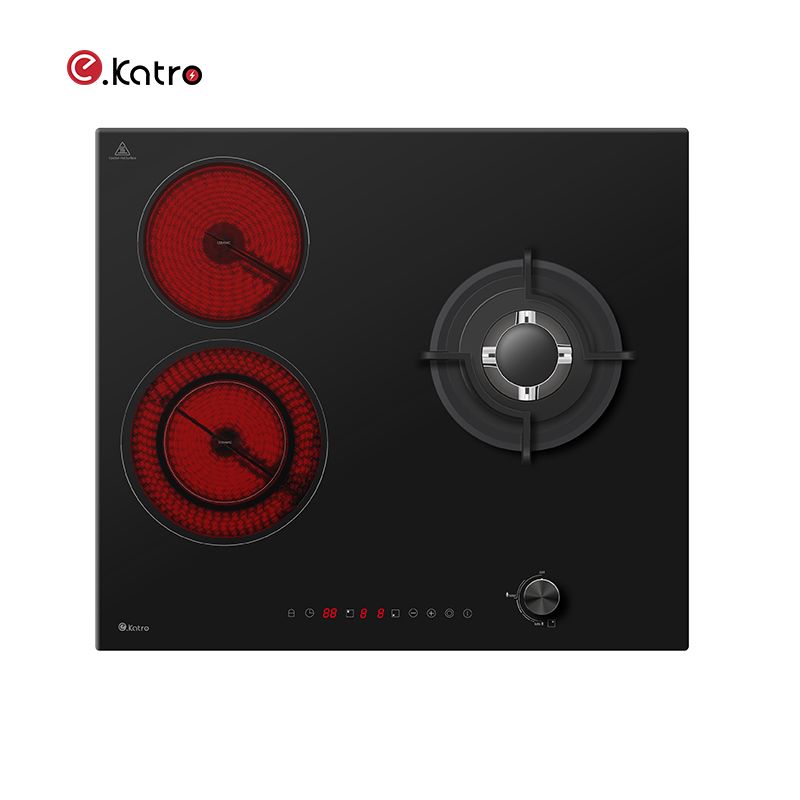
Ensuring even heating in built-in ceramic cookers is crucial for achieving perfect cooking results. Issues such as hot spots and uneven cooking can frustrate users, leading to dissatisfaction with their cooking experience. This article explores various strategies to enhance heat distribution and maximize efficiency, ensuring food is cooked uniformly. With a focus on high-quality ceramic cookers, like those from Katro, users can achieve optimal results. Here, we address common concerns and provide solutions that meet consumer needs.
2. Understanding Heat Distribution in Ceramic Cookers
Heat distribution in ceramic cookers is affected by several factors that can be optimized for better cooking outcomes:
- Type of Heating Element: Different heating elements can affect how heat spreads across the surface.
- Cookware Material: The material of the cookware plays a significant role in heat absorption and transfer.
- Surface Design: The design of the ceramic surface can enhance or hinder heat distribution.
Case Study: Heat Distribution Patterns
In tests, cookers with advanced heating elements showed a 30% improvement in heat distribution compared to standard models.
3. Key Factors for Even Heating
To ensure even heating, consider these essential factors:
- Cookware Size: Matching the size of your cookware to the size of the heating element is critical.
- Preheating: Allowing the cooker to preheat adequately improves overall cooking performance.
- Temperature Settings: Adjusting the temperature according to the type of food being cooked can mitigate uneven heating.
- Cookware Thickness: Thicker cookware may take longer to heat but often distributes heat more evenly.
Data Insight: Ideal Cookware Sizes
Using cookware that is 1-2 inches larger than the heating element can enhance efficiency by up to 25%.
4. Maintenance Tips for Optimal Performance
Regular maintenance is key to ensuring your ceramic cooker's performance:
- Keep the Surface Clean: Regularly clean your ceramic surface to prevent residue buildup, which can affect heat conduction.
- Check for Damage: Inspect for cracks or chips that might diminish performance and cause heat loss.
- Regular Calibration: Ensure the temperature settings are accurate for optimal cooking conditions.
Step-by-Step Maintenance Flow Chart
1. Inspect ceramic surface → 2. Clean with appropriate materials → 3. Check cookware compatibility → 4. Calibrate temperature settings.
6. Conclusion
By understanding the factors affecting heat distribution and following best practices for use and maintenance, users can ensure even heating in their built-in ceramic cookers. Proper cookware selection, regular maintenance, and awareness of common mistakes can enhance the cooking experience significantly. With Katro’s innovative ceramic cookers, cooking can become a much more enjoyable and efficient process. Following these guidelines will ensure that your culinary creations turn out perfectly every time.