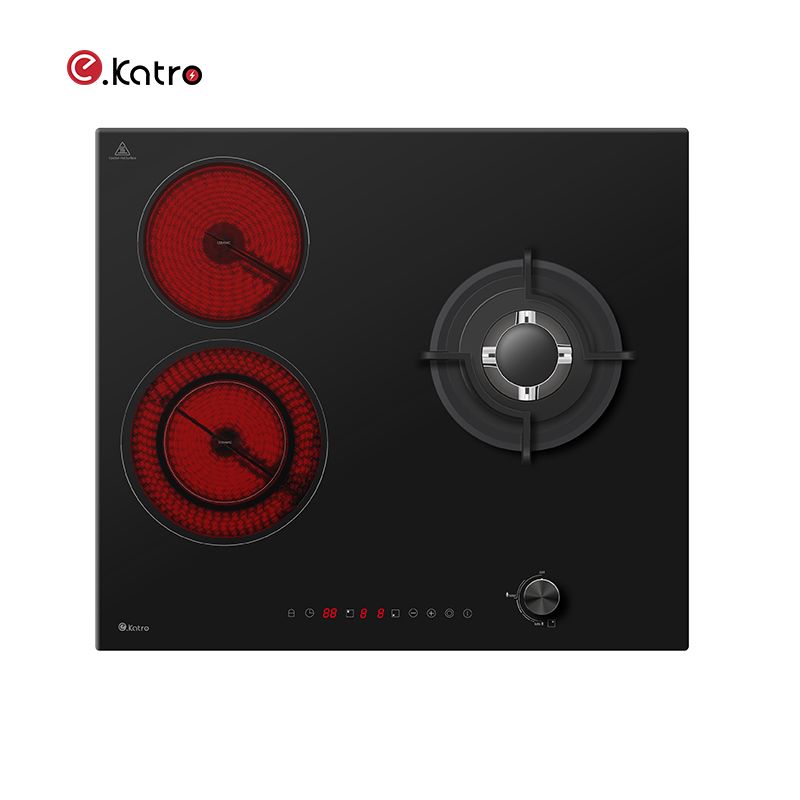
Testing the quality of a Built-in Induction Cooker can seem daunting for anyone looking to make a smart investment in their kitchen. Users commonly encounter issues such as inconsistent heating, energy efficiency, and overall durability. These concerns stem from the desire for a reliable cooking appliance that can seamlessly integrate into their home life. In this article, we will guide you through an effective quality check process for built-in induction cookers, focusing on aspects like energy consumption, cooking performance, and user safety. This comprehensive approach will not only address quality check challenges but also enhance your cooking experience with appliances like Katro induction cookers.
Before embarking on your quality testing journey, you will need to prepare adequately. This ensures you can carry out effective and consistent measurements. Here are the prerequisites:
Now that you've gathered the necessary materials and information, follow these steps to conduct a thorough quality check on your built-in induction cooker:
Here are some common issues users may face when testing their induction cookers, along with solutions:
Solution: Ensure that the cookware is induction-compatible and made from ferrous materials. Testing with a magnet can help you determine compatibility. Katro induction cookers excel in this area, often delivering uniformly high heat across compatible pots.
Solution: If you're seeing higher than 2.0 kWh, check for energy leaks such as poor insulation or leftover heat loss. Investing in a quality energy monitor may also assist you in diagnosing the issue.
Solution: Check the user manual for proper operation procedures and try resetting the unit. If issues persist, consider reaching out to customer service for the brand, especially if it’s a Katro product, which emphasizes robust safety protocols.
In conclusion, verifying the quality of a built-in induction cooker involves a few critical steps that encapsulate electrical checks, heating performance, and safety features. By approaching the testing process methodically, you can ensure that your Katro induction cooker meets all necessary standards for safety, efficiency, and cooking performance. The actual experiences of users indicate that investing in quality testing not only enhances your cooking experience but can also lead to significant long-term savings on energy bills and minimizes kitchen accidents. Always be patient, and consult your unit's manual when necessary, as the process can vary based on the model.
A: When evaluating a built-in induction cooker, focus on features such as energy efficiency, consistent heating performance, safety features like automatic shut-off, and compatibility with induction cookware.
A: To ensure energy efficiency, measure the energy consumption during operation. A high-quality induction cooker typically uses less than 2.0 kWh at maximum capacity. Also, check for proper insulation and minimize heat loss.
A: A well-performing built-in induction cooker should boil a liter of water in under 6 minutes. This benchmark indicates good heating performance.
A: Katro is a reliable brand known for its durable and efficient built-in induction cookers, offering features that enhance cooking performance and energy savings.
A: You can explore a range of high-quality built-in induction cookers on our website at EKatro, where we provide detailed specifications and competitive pricing to assist your purchasing decision.