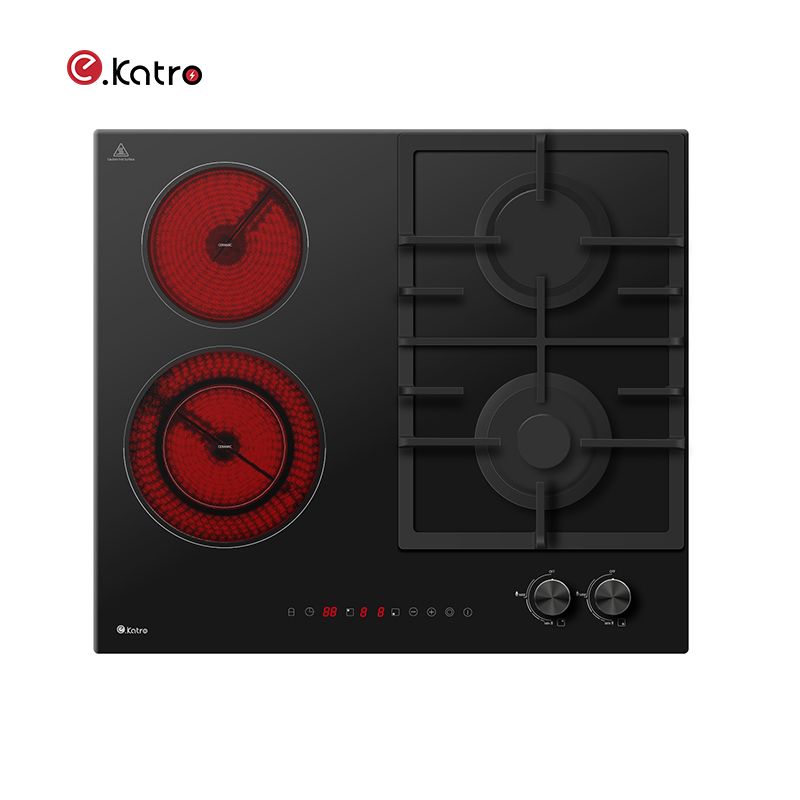
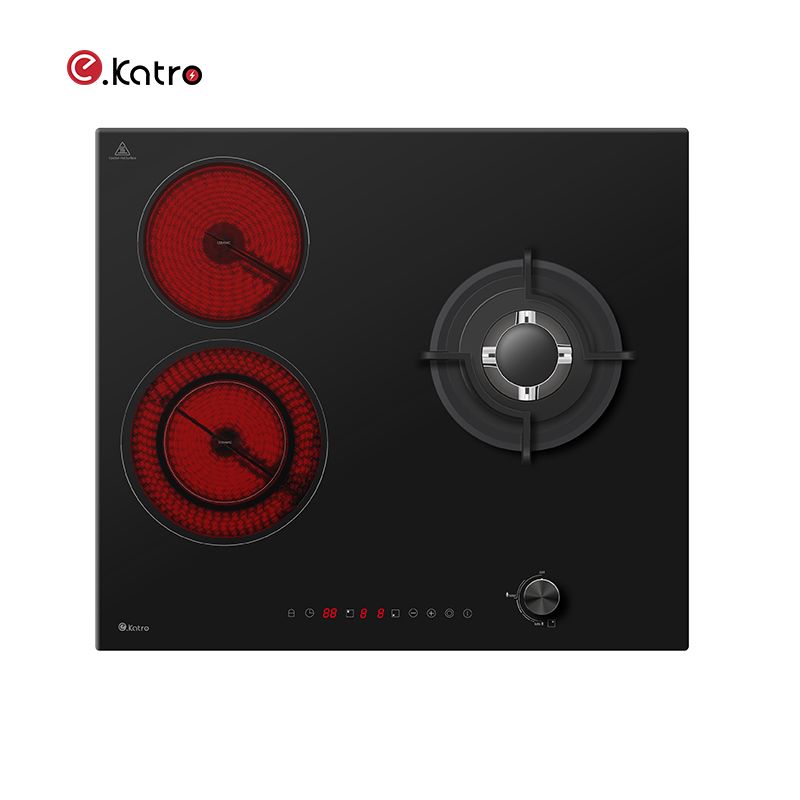
When it comes to energy-efficient cooking, many consumers are evaluating whether built-in induction and ceramic cookers align with their sustainability goals. Built-in induction cookers typically offer a more energy-efficient heating solution compared to traditional cooking methods, utilizing electromagnetic energy to heat directly. Ceramic cookers, while less efficient than induction, provide a unique cooking experience. Understanding their energy efficiency is important for both environmental impact and utility savings.
Energy efficiency in cooking relies on how effectively a cooker converts energy from the grid into usable heat. The two main types of cookers are:
Induction cookers work by creating a magnetic field that directly heats the cookware, leading to rapid and precise heating.
Ceramic cookers heat up through electrical resistance, which can result in longer cook times and energy loss.
Here’s a comparison to help visualize energy efficiency:
| Features | Induction Cookers | Ceramic Cookers |
|---|---|---|
| Efficiency Rate | 90% | 70% |
| Heating Speed | Faster | Slower |
| Residual Heat | Minimal | Considerable |
| Cookware Compatibility | Magnetic cookware only | All cookware types |
Built-in induction cookers offer multiple benefits:
According to recent studies, induction cookers can save households up to 30% on monthly energy consumption compared to traditional electric stoves.
Ceramic cookers also have distinct advantages:
Ceramic cookers are typically more affordable upfront, with prices ranging from $50 to $200, making them accessible to a wider audience.
Examining energy consumption can clarify the efficiency of these cooking methods.
| Cooker Type | Average Power Consumption (Watt) | Annual Energy Cost ($) |
|---|---|---|
| Induction Cooker | 1800 | 120 |
| Ceramic Cooker | 1500 | 200 |
To enhance energy efficiency while cooking, consider the following:
In conclusion, both built-in induction and ceramic cookers have unique advantages concerning energy efficiency. While induction cookers provide superior efficiency and speed, ceramic cookers offer versatility and accessibility. Evaluating your cooking habits and kitchen setup will guide you in making the best choice for your energy-efficient cooking needs.
For further information on our products, including built-in induction cookers, please refer to our brand, Katro.