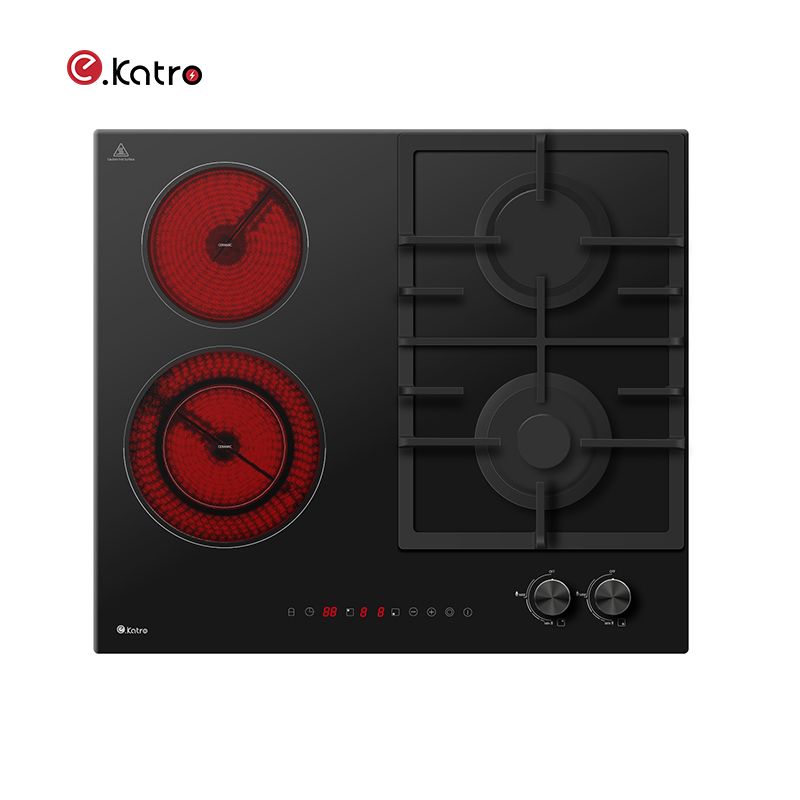
Evaluating suppliers of built-in induction and ceramic cookers is crucial for your business success. Finding reliable suppliers can affect product quality and customer satisfaction. Many businesses struggle with this decision. The wrong choice can lead to delays, increased costs, and poor product performance. Therefore, understanding how to assess potential suppliers is essential for making informed decisions. This guide will help you with effective supplier evaluation strategies.

**To evaluate suppliers of built-in induction and ceramic cookers, consider their experience, product quality, customer service, pricing, and delivery options. Conduct thorough research and compare multiple suppliers to find the best fit for your needs.**
Look for suppliers who have been in the industry for several years. More experience usually means better insights and practices. For example, a supplier with over 10 years in the market often has proven reliability.
Read feedback from current and past customers. Platforms like Google Reviews or industry forums can provide valuable information.
Ensure that the cookers meet industry standards. Certifications can indicate high-quality materials. For example, look for ISO certifications or safety standards compliance.
Request product samples to examine firsthand. Testing the cookers can provide insight into their functionality and durability.
A supplier should offer prompt responses to inquiries. A strong customer service team indicates a supplier's commitment to their clients.
Inquire about warranty terms and return processes. Suppliers who stand by their products will offer comprehensive policies.
Make sure you understand how suppliers price their products. Look for hidden fees, and consider total costs, not just unit prices.
| Supplier | Price Per Unit | Shipping Costs | Total Cost |
|---|---|---|---|
| Supplier A | $200 | $20 | $220 |
| Supplier B | $180 | $25 | $205 |
| Supplier C | $210 | $15 | $225 |
Check the expected lead times for delivery. Timely delivery is essential for maintaining your business schedule.
Ensure that the supplier offers tracking options for your orders. Being able to monitor shipments adds peace of mind.
Evaluating suppliers of built-in induction and ceramic cookers involves several key factors. These include supplier experience, product quality, customer service, pricing, and delivery options. By taking the time to assess each area thoroughly, you can make a well-informed decision that will benefit your business in the long run. A reliable supplier can enhance your operations and improve customer satisfaction, leading to greater success.
Q: How can I find suppliers of built-in induction and ceramic cookers?
A: You can find suppliers by searching online directories, attending trade shows, and asking for recommendations within your industry.
Q: What should I do if a supplier's product quality is not satisfactory?
A: Contact the supplier to resolve the issue. If they do not offer a satisfactory solution, consider looking for alternative suppliers.
Q: Are there specific certifications I should look for in suppliers?
A: Yes, look for ISO certifications and compliance with safety standards in the industry relevant to cookers.