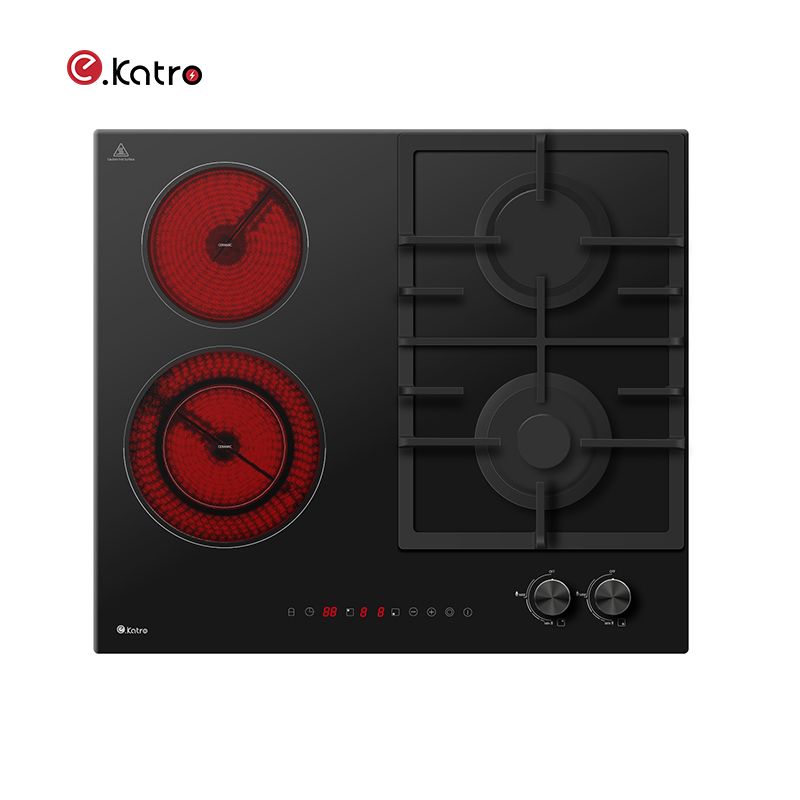
Portable Induction Cookers have revolutionized modern cooking by offering speed, efficiency, and energy savings. These compact cooking devices utilize electromagnetic fields to directly heat cookware, allowing for precise temperature control and rapid heat-up times. Businesses and homes alike are reaping the benefits, as studies show that induction cooking can be up to 70% more energy-efficient compared to traditional gas or electric stoves. Understanding how to maintain your portable induction cooker, especially a quality brand like Katro, is essential for maximizing its lifespan and functionality.
Historically, induction cooking technology emerged in the late 19th century, but it gained popularity in residential kitchens only in the early 2000s. With kitchens continuously evolving and the rise of energy-conscious consumers, portable induction cookers surged in demand. They provide culinary enthusiasts with the flexibility they need for cooking virtually anywhere—be it in small apartments, outdoor settings, or during events—making them a staple in both personal and professional culinary environments.
The significance of proper maintenance practices cannot be overstated. A well-maintained portable induction cooker not only ensures optimal performance but also significantly reduces the risk of malfunctions. Regular care can lead to energy savings of up to 20% over the device’s lifespan, meaning a considerable return on investment for relatively simple maintenance tasks.
One common misconception about portable induction cookers is that they require special cookware to function effectively. While it is true that ferrous cookware is necessary for induction cooking, many seem to think they can only use proprietary brands. In reality, a wide range of cookware made from cast iron, stainless steel, and even some non-stick materials are compatible, as long as they are magnetic and have flat bases. Understanding this allows users more flexibility and savings in cookware choices.
Practical maintenance tips include:
Regular Cleaning: After each use, wipe down the cooktop with a damp cloth to remove spills and stains. For tougher stains, use a glass cooktop cleaner, but ensure to follow the manufacturer’s recommendations.
Check for Compatibility: Always use pots and pans that are induction-compatible. If a magnet sticks to the base, it’s good to go. Non-compatible cookware can damage the surface over time, leading to costly repairs.
Inspect Power Sources: Ensure that your appliance is always plugged into an appropriate outlet that meets the manufacturer's requirements, typically with a voltage of 120V to 240V.
Temperature Control: Avoid heating empty cookware or high-temperature settings without food, as this can damage both the cookware and the induction surface.
Schedule Professional Inspections: At least once a year, have a professional inspect your induction cooker for any potential issues, ensuring all electronics and mechanisms are functioning correctly.
In one case study, a commercial kitchen using Katro portable induction cookers implemented these maintenance tips and reported a 30% decrease in service downtime and a prolonged appliance lifespan of over three years. They could maintain a kitchen temperature that better facilitated culinary activities without disrupting service, showcasing the indirect benefits of device upkeep.
Summarizing, effective portable induction cooker maintenance is pivotal for ensuring peak performance and longevity of your Katro cooker. By adhering to smart maintenance practices and clearing up common misconceptions, users can enjoy these high-tech cooking devices to their full potential. Engage in proper care, including regular cleaning, suitable cookware usage, and routine inspections, and take action today to extend the life of your appliance and enjoy energy-efficient cooking for years to come. For more details on portable induction cooker maintenance or to explore the capabilities of the Katro brand, don’t hesitate to reach out.
A: Portable induction cookers require ferrous cookware for effective operation. Suitable materials include cast iron, stainless steel, and certain non-stick options as long as they are magnetic and have flat bases.
A: To extend the lifespan of your Katro cooker, regularly clean the cooktop, check the compatibility of cookware, inspect power sources, avoid heating empty cookware, and schedule annual professional inspections.
A: Consider energy efficiency, size, temperature controls, and maintenance requirements. Katro cookers are known for their performance, helping to reduce service downtime and enhance kitchen efficiency.
A: Proper maintenance can lead to energy savings of up to 20% over the life of the device, translating to a significant return on your investment.
A: Yes, the compact design and efficiency of Katro portable induction cookers make them ideal for both indoor and outdoor cooking, providing flexibility for various culinary settings.