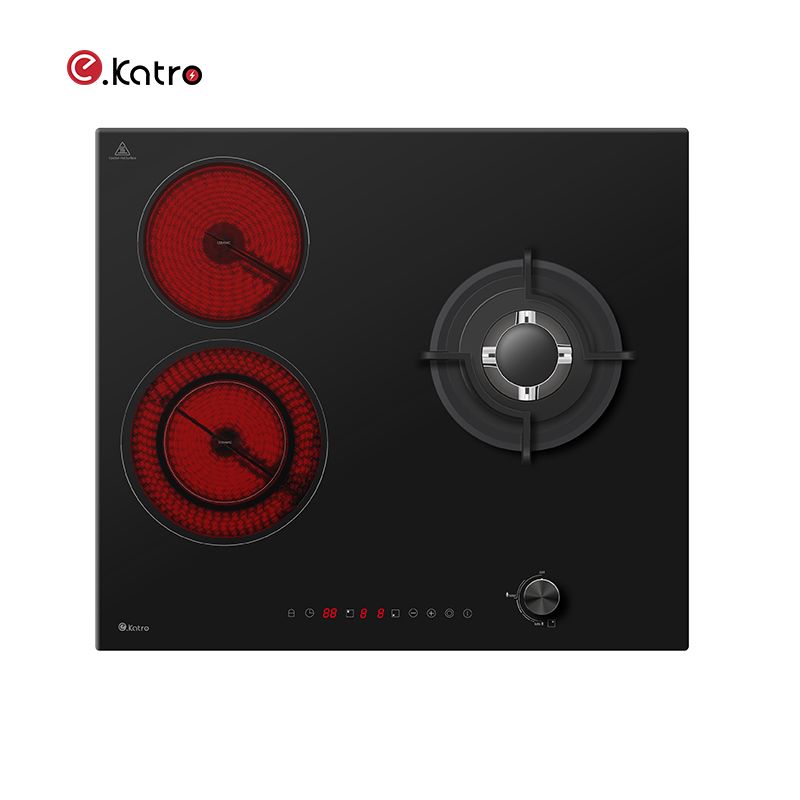
In recent years, built-in induction cookers have surged in popularity among home cooks and culinary enthusiasts. These sleek, space-saving appliances provide an efficient way to prepare meals, catering to the demand for modern kitchen solutions. As homes increasingly embrace cooking technology, understanding what size built-in induction cooker you need becomes crucial. Whether you're designing a new kitchen or updating your current setup, knowing how to select the best-fit induction cooker can help you avoid common pitfalls like inadequate cooking space and inefficient heat distribution. This guide will address the critical aspects of built-in induction cookers, helping you make a well-informed purchasing decision.

Induction cooking technology has completely transformed how we prepare food. Unlike traditional gas or electric stovetops, induction cookers use electromagnetic fields to generate heat directly in the cookware. This method provides quicker cooking times—often estimated at 30% faster than gas ranges—and allows for precise temperature control, making it suitable for various culinary tasks. However, selecting the correct size is pivotal for optimal performance.
Built-in induction cookers vary in size and function, typically measured in the number of cooking zones and the overall dimensions of the unit. Standard sizes range from compact units, ideal for small apartments, to larger models suited for family kitchens. Common measurements include:
Understanding these terms ensures that you select the right product to meet your specific cooking needs and available kitchen space.
Built-in induction cookers are employed across various settings:
Residential Kitchens: Ideal for home chefs looking to enhance their cooking experience with quick heating and easy cleanup.
Professional Kitchens: Frequently found in restaurants where time and efficiency are paramount. Their speed can reduce overall cooking time by approximately 15%, allowing for higher turnover rates.
Outdoor Cooking Facilities: As portable models become popular, built-in induction cookers are also seen in backyard barbecues and outdoor kitchens, providing flexibility in cooking environments.
Choosing the correct size of built-in induction cooker influences both functionality and ease of use. A unit that is too small can hinder meal preparation for larger gatherings, while an oversized cooker may lead to inefficient energy use. Here’s why the right size is essential:
Efficiency: The right size ensures even heat distribution, enhancing cooking results. For instance, with a properly sized unit, users can achieve optimal cooking temperatures faster, with overall cooking times being reduced by as much as 40%.
Space Utilization: Proper sizing maximizes your kitchen’s usable space, preventing overcrowding and allowing easier access to all areas during cooking.
To effectively narrow down your options, consider factors such as your cooking habits, the number of people in your household, and even your kitchen's layout. Consult manufacturer specifications and user reviews for insights on performance and reliability.
For further understanding, you may wish to read a user guide specific to your chosen model or look for brands like Katro that specialize in built-in induction cookers, ensuring you receive high-quality appliances that meet rigorous industry standards.
In summary, a built-in induction cooker is a valuable addition to any kitchen, but choosing the correct size is paramount. Engage with your cooking needs and kitchen capabilities to make the best selection, aiming to optimize efficiency and performance in your culinary endeavors. Happy cooking!
A: Built-in induction cookers typically come in three standard sizes: 30 to 36 cm wide for two cooking zones, 60 to 90 cm wide for four cooking zones, and 90 cm and above for five or more cooking zones.
A: Consider your cooking habits, the number of people in your household, and your kitchen's layout. A properly sized unit ensures even heat distribution and efficient space utilization.
A: Yes, Katro specializes in high-quality built-in induction cookers that meet rigorous industry standards.
A: Built-in induction cookers provide quick heating, precise temperature control, and easy cleanup, enhancing your cooking experience.
A: Measure your available countertop space and compare it with the dimensions of the induction cooker. Ensure there's adequate clearance for ventilation and installation.