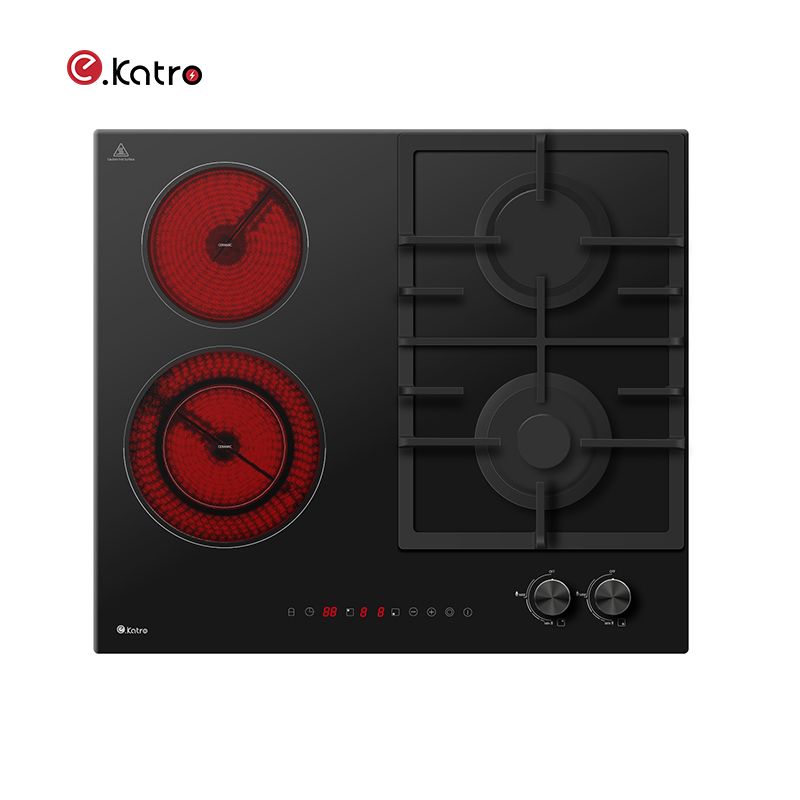
When it comes to cooking efficiency, a Built-in Induction Cooker offers precision and convenience. However, overheating can be a significant problem that disrupts your cooking experience and impacts food quality. In this article, I will share clear, actionable steps to ensure your Katro built-in induction cooker operates smoothly and efficiently, preventing overheating while enhancing your cooking performance.
To begin addressing the issue of overheating, you should first understand that proper usage and maintenance are crucial. Here’s a step-by-step approach to keep your cooker functioning optimally and to mitigate the risks associated with built-in induction cooker overheating protection.
Choosing appropriate cookware can drastically reduce overheating incidents. Opt for flat, magnetic-bottom pots and pans that enhance an induction cooker’s efficiency. Preferably, select items that conform to ASTM standards for magnetic induction readiness.
Pro Tip: Aim for cookware with a thickness of at least 3mm to ensure even heat distribution and efficient operation.
Keep a close eye on the temperature settings. It’s easy to overlook this detail, but maintaining a moderate heat setting can prevent overheating. I recommend using the following settings based on cooking needs:
Utilizing these settings helps to maintain the built-in induction cooker overheating protection, ensuring that your appliance operates within safe parameters.
Over time, residues and buildup can alter the heat distribution of your induction cooker, leading to overheating. Implement a routine maintenance schedule that includes:
Being proactive with maintenance can increase the longevity of your cooker, avoiding costly replacements.
Adopting smart cooking techniques can prevent overheating while maximizing efficiency. Consider these strategies:
Despite following these steps, you may encounter challenges such as:
To enhance your cooking efficiency further, consider using:
By following these simple steps, you can effectively prevent overheating in your built-in induction cooker, ensuring an enjoyable cooking experience. Remember to use the right cookware, monitor your settings, maintain cleanliness, and adopt smart cooking techniques. The built-in induction cooker overheating protection is critical for longevity and performance, so remain proactive in keeping your appliance in top condition.
Now that you have the information needed to avoid overheating in your Katro built-in induction cooker, I encourage you to implement these strategies right away. Adopting these practices not only enhances your cooking experience but also keeps your appliance running efficiently for years to come.
A: For optimal performance, use flat, magnetic-bottom pots and pans that meet ASTM standards and have a thickness of at least 3mm to ensure even heat distribution.
A: Regular cleaning and maintenance are key. Clean spills daily, check for wear monthly, and consider professional servicing bi-annually to keep your cooker running smoothly.
A: Inconsistent heating may indicate a problem with the induction coil. Consult Katro's technical support for assistance and troubleshooting.
A: We suggest investing in high-quality induction cookware sets and using infrared thermometers for precise temperature checks during cooking.
A: For simmering, use settings between 2-4; for searing, adjust to levels 6-8. Avoid settings above 8 unless absolutely necessary to prevent overheating.