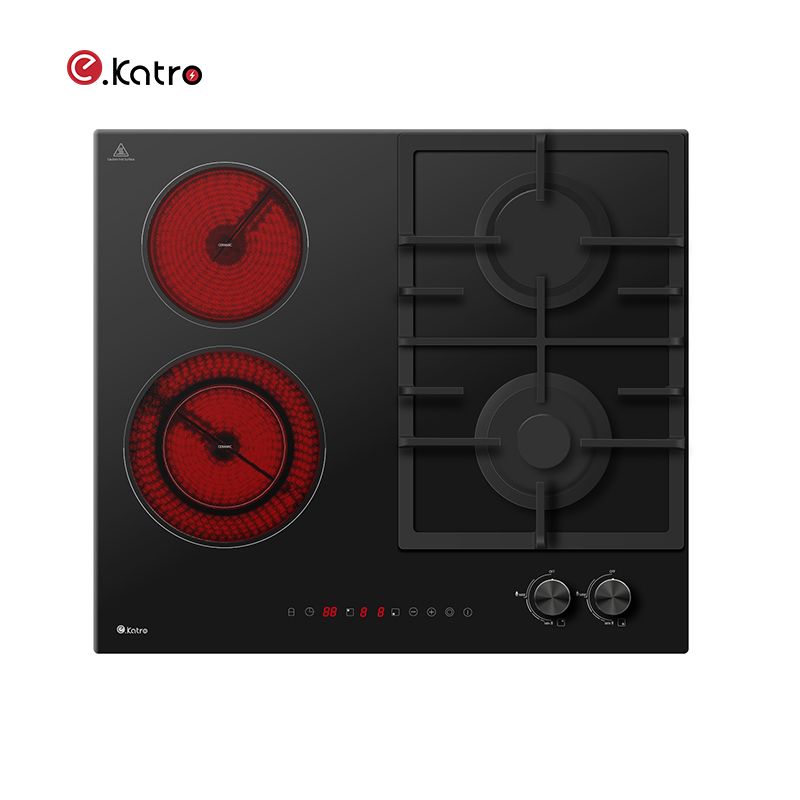
Portable Induction Cookers have revolutionized cooking for many households, but users often encounter a common issue: overheating. This concern not only affects the cooker’s performance but also poses a safety risk. Overheating protection in a portable induction cooker ensures that your cooking appliance doesn’t exceed safe temperature levels, preventing potential damage. Users need solutions tailored to their unique cooking scenarios, such as busy families who rely on quick meal prep or individuals living in small apartments with limited kitchen space.
Real-life stories echo this struggle; for instance, a mother of three reported that her Katro induction cooker heated to 400°F, hampering her ability to prepare healthy meals swiftly. Thus, understanding and preventing overheating is crucial for ensuring safe and efficient cooking experiences.
To effectively prevent overheating in your portable induction cooker, you'll need the following materials and tools:
Follow these actionable steps to manage your Katro portable induction cooker’s temperature effectively:
As you navigate the use of your portable induction cooker, consider these common pitfalls along with their solutions:
To prevent overheating in a portable induction cooker, particularly with Katro products, prioritizing the use of appropriate cookware, monitoring cooking parameters, and allowing airflow is crucial. Implementing the right practices can also enhance your cooking experience while ensuring safety. With the average household spending over $3,000 annually on cooking appliances, investing in necessary education about handling your cooker can yield significant long-term benefits.
Engage with cooking communities and forums to gather more personalized stories, learn about best practices, and share your experiences about managing your induction cooker's temperature effectively!
A: Look for models with built-in overheating protection, adjustable temperature settings, and automatic shutoff features. These ensure safe operation and prevent potential damage during use.
A: Induction-compatible cookware with a flat bottom and magnetic bases is recommended. Ensure the cookware can handle heat output and fits the cooker's specifications.
A: Assess the cooker's power rating, size, and features like multiple heating levels and timing functions to match your family's meal preparation needs.
A: Regularly clean your cooker, ensure proper airflow around the unit, and use compatible cookware to minimize risks of overheating.
A: Yes, our team can assist you in selecting the best portable induction cooker based on your cooking habits, kitchen size, and specific requirements.