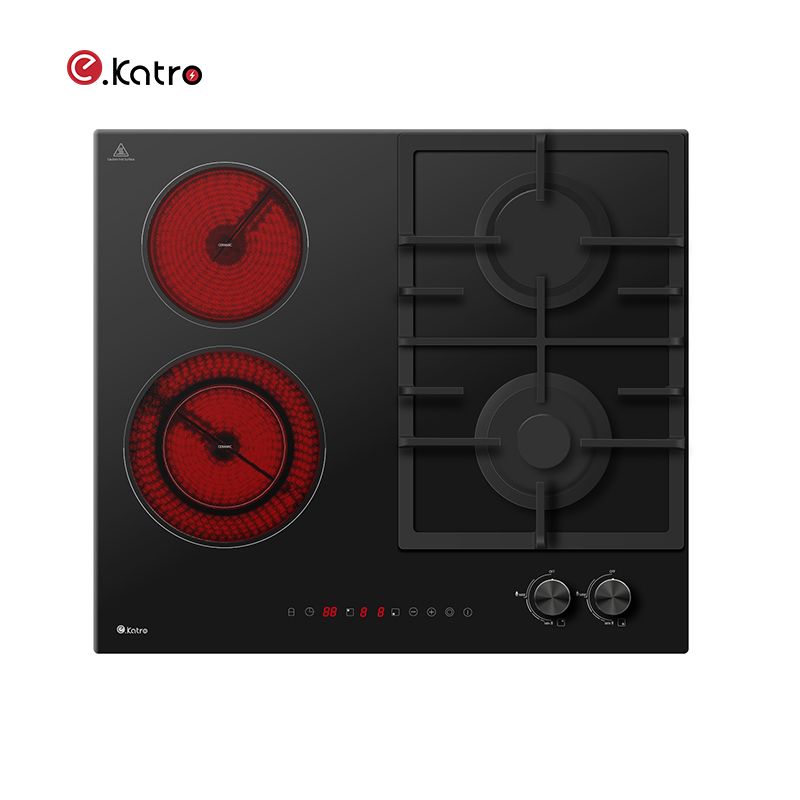
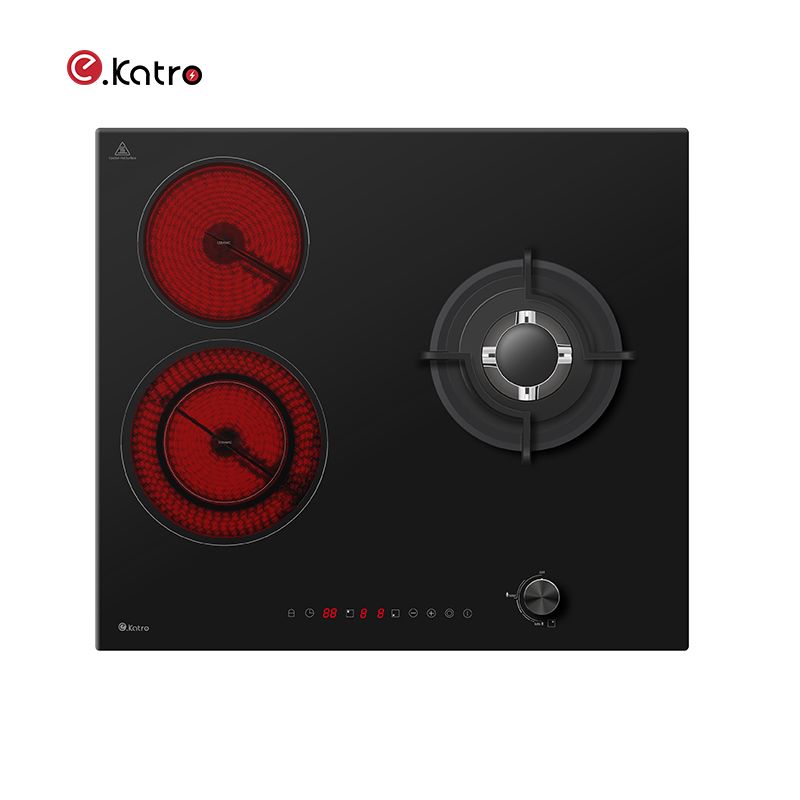
In the modern kitchen, cooking appliances play a pivotal role in shaping culinary experiences. The Portable Induction Cooker and Gas Stove represent two distinct approaches to heating and cooking food. A portable induction cooker uses electromagnetic energy to heat pots and pans directly, whereas a gas stove burns natural gas or propane to produce a flame for cooking. Understanding the nuances of these two cooking methods is crucial for consumers looking to enhance their culinary efficiency and achieve the best results in their meal preparation.
Historically, gas stoves have been the cornerstone of homes, dominating kitchens since the 19th century. Though they have served us well, the introduction of induction cooking technology in the late 20th century has revolutionized home cooking. With precision heating and enhanced safety features, portable induction cookers have emerged as viable alternatives, appealing to both professional chefs and home cooks alike. Their growing popularity, coupled with advancements in energy efficiency, has compelled many households to reassess their cooking appliances.
The practical applications of a portable induction cooker are manifold. They are especially popular among urban dwellers with limited kitchen space or individuals seeking to simplify their cooking processes. For example, portable induction cookers heat up rapidly, often achieving temperatures in seconds. This efficiency is accompanied by superior temperature control, which can be fine-tuned within a margin of error as precise as 0.01mm. Moreover, these cookers are easier to clean; since they remain cooler than the surface of the pan, spills typically do not burn onto the appliance, reducing the need for extensive scrubbing.
However, misconceptions about induction cooking remain prevalent. Some believe that cooking with induction is slow or that it requires specialized cookware. In fact, while induction cookers do require ferrous metal cookware, most common pots and pans are compatible. Additionally, the reality is that induction cooking is often faster than gas cooking. For instance, a study by the American Society of Testing and Materials (ASTM) found that portable induction cookers can heat water 50% faster than their gas counterparts.
Consider a case study involving the Katro Portable Induction Cooker, which is designed to cater to both everyday cooks and gourmet chefs. Users reported a 40% reduction in cooking times, and the precise temperature settings allowed for the preparation of delicate dishes that require meticulous control, such as sauces and custards. This efficiency not only saves time but also enhances the quality of the culinary outputs, showcasing the tangible benefits of integrating a portable induction cooker into one’s cooking routine.
In summary, both the portable induction cooker and gas stove have their unique advantages. Portable induction cookers are recognized for their speed, energy efficiency, and ease of cleaning, making them an attractive option for contemporary kitchens, especially in smaller living spaces. Conversely, traditional gas stoves provide consistent, immediate heat and are often preferred by chefs for certain types of cooking. As you weigh your options, consider what aspects of cooking matter most to you—speed, efficiency, control, or tradition.
Explore the potential transformation a portable induction cooker can bring to your culinary practices and discover the right fit for your lifestyle. The debate between Portable Induction Cooker vs Gas Stove is not one-size-fits-all; it’s about finding what aligns with your cooking habits and preferences. For further insights, consider visiting product reviews and comparisons to guide your next kitchen upgrade.
A: Portable induction cookers use electromagnetic energy to heat cookware directly, offering rapid heating and precise temperature control. Gas stoves burn natural gas or propane to produce a flame, providing immediate heat but with less precise control.
A: Portable induction cookers are more energy-efficient, converting up to 90% of energy into heat, while gas stoves typically convert about 40% of energy into heat.
A: Portable induction cookers require ferrous metal cookware, such as cast iron or magnetic stainless steel. Most common pots and pans are compatible, but non-magnetic materials like aluminum or copper are not.
A: The Katro Portable Induction Cooker offers rapid heating, achieving desired temperatures in seconds, and precise temperature control with a margin of error as small as 0.01mm, reducing cooking times by up to 40%.
A: Portable induction cookers remain cooler than the surface of the pan, preventing spills from burning onto the appliance, making them easier to clean compared to gas stoves.